
Last Updated: Jan 18, 2026
At Voodoo Firearms, we’ve helped thousands of shooters build and refine their setups, and one of the most common questions we get once lasers and lights are sorted is: “What’s the best night vision monocular for my setup?” Whether you’re running a helmet-mounted system with an IR laser, scanning property at night, or building a serious low-light capability from the ground up, this guide covers the best night vision monoculars available right now.
The AR-15 platform is only as effective at night as the shooter’s ability to see, identify, and move. A quality night vision monocular adds an entirely different level of capability, enabling hands-free movement, target identification, and real-world night use that optics alone can’t provide. In this guide, we break down our top picks, including a budget option, which is a digital monocular, to help people get their feet wet if new to NV. Most of these are battle-proven Gen 3 systems trusted by professionals.
Let’s get right to it.
📜 Quick Navigation
Best Night Vision Monocular Picks (Quick View)
| Product | Rating | Price | Best For |
|---|---|---|---|
| SiOnyx OPSIN Black💸 Best Budget | 4.1 ⭐ | 💰💰 | Intro to night vision, casual scanning |
| AGM PVS-14 Multi-Purpose✅ Best Value | 4.6 ⭐ | 💰💰💰 | First serious helmet-mounted NV setup |
| Armasight PVS-14 Gen 3 Pinnacle🛡️ Best for Reliability | 4.7 ⭐ | 💰💰💰 | Hard use, duty-grade night operations |
| Steele Industries L3 Unfilmed PVS-14📝 Editor’s Choice | 4.9 ⭐ | 💰💰💰 | No-compromise, top-tier night vision |
Why Add a Night Vision Monocular?
A night vision monocular fundamentally changes how you operate after dark. Instead of relying on white light or guessing at shapes in the shadows, night vision allows you to move, observe, and identify objects in low-light environments while staying discreet. Whether you’re pairing it with an IR laser, scanning property at night, or building a serious low-light setup, a quality monocular gives you capabilities that optics alone simply can’t.
Unlike weapon-mounted night vision scopes, monoculars are designed for hands-free use. When helmet-mounted, they allow you to navigate terrain, maintain situational awareness, and aim using an IR laser rather than a traditional optic.
- Enables hands-free movement and navigation in darkness
- Allows target identification without white light
- Pairs seamlessly with IR lasers for night shooting
- Can be used helmet-mounted or handheld for scanning
Still think night vision is only for professionals? Civilian-accessible options today offer serious performance without crossing into restricted or exotic gear.
What Type of Night Vision Monocular Do You Need?
Not all night vision monoculars work the same way. Understanding the differences up front will save you money and frustration.
- Digital Night Vision: Uses a camera sensor and screen. More affordable and easy to use, but relies heavily on IR illumination and does not match true low-light performance.
- Gen 2 Analog Night Vision: Uses an image intensifier tube. Better low-light performance than digital, but shorter tube life and reduced clarity compared to Gen 3.
- Gen 3 Analog Night Vision: The current standard for serious users. Superior clarity, low-light sensitivity, and durability. Ideal for helmet-mounted use with IR lasers.
💡 Pro Tip: If you plan to use an IR laser or move under night vision, Gen 3 analog monoculars are worth the investment. Digital night vision is best viewed as an introduction, not a replacement.
Choosing the Right Night Vision Monocular
When selecting a night vision monocular, focus on how you’ll actually use it rather than chasing specs you don’t need.
- Use Case: Helmet-mounted navigation, handheld scanning, training, or property observation all favor different setups.
- Generation: Gen 3 offers the best performance and longevity, while Gen 2 and digital options trade performance for cost.
- Phosphor Color: White phosphor is easier on the eyes for long sessions, but tube quality matters more than color alone.
- Mounting Compatibility: Standard PVS-14 pattern units offer the widest range of helmet mounts and accessories.
- Budget: Night vision scales quickly in price. Decide early whether you want an entry-level option or a long-term solution.
The best monocular isn’t the most expensive one, it’s the one that matches your use case without unnecessary compromises. However this is one of those things that you have to pay for if you want to see in the dark.
Why We Recommend Gen 3 White Phosphor PVS-14s Only
If you’re serious about night vision, a Gen 3 white phosphor PVS-14 isn’t an upgrade — it’s the baseline.
Gen 3 image intensifier tubes deliver significantly higher light sensitivity, better signal-to-noise ratios, and cleaner performance in low-light environments compared to Gen 2 or digital units. This matters most when ambient light is limited, such as overcast nights, rural terrain, or wooded areas.
White phosphor further improves real-world usability. Compared to traditional green phosphor, white phosphor provides better contrast differentiation, less eye strain during extended use, and more natural image interpretation. The result is faster target recognition and reduced fatigue during long sessions.
While Gen 2+ or green phosphor units may appear more affordable up front, most users who upgrade later end up spending more in the long run. Night vision is one of those categories where buy once, cry once applies perfectly.
If you’re investing in a PVS-14 with the intent to actually use it — not just own it — Gen 3 white phosphor is the correct choice.
How We Picked These Night Vision Monoculars
We evaluated a wide range of night vision monoculars currently available to civilians and narrowed the list down based on real-world performance and long-term usability.
- Image quality and low-light performance
- Generation and tube consistency
- Helmet-mount compatibility
- Durability and housing quality
- Manufacturer reputation and support
- Overall value for the money
Each monocular on this list was selected with practical use in mind, not marketing claims. Our goal was to cover everything from budget-friendly entry options to premium systems trusted by experienced night vision users.
9 Best Night Vision Monoculars
All product links open in a new tab, so you can easily check prices and compare options without losing your place in the guide. Feel free to explore as you read!
1. SiOnyx Opsin Digital 1x19mm Night Vision Ultra Monocular (Best Budget / Intro to Night Vision)
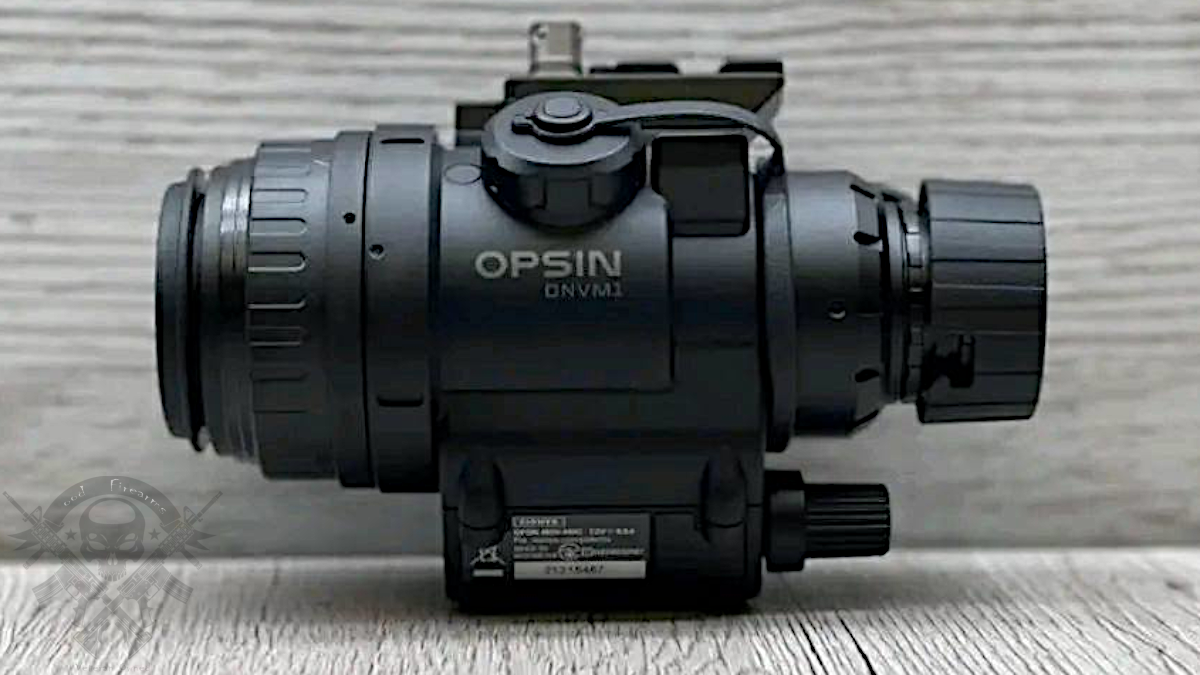
If you’re curious about night vision but not ready to jump straight into a multi-thousand-dollar Gen 3 setup, the SiOnyx OPSIN Black is one of the most approachable ways to get started. Unlike traditional analog night vision, the OPSIN uses a digital sensor, making it far more affordable while still delivering usable nighttime visibility for learning, scanning, and casual observation.
At Voodoo Firearms, we see a lot of first-time buyers who want to understand how moving and observing at night actually feels before committing to true Gen 3 gear. For that role, the OPSIN makes sense. It’s not meant to replace helmet-mounted analog night vision — it’s meant to introduce you to night concepts without the financial shock.
Key Features:
- Digital night vision system: Uses a low-light camera sensor instead of an image intensifier tube
- Color and monochrome modes: Can display scenes in color under higher ambient light
- IR illumination support: Performs best when paired with an IR illuminator
- Ruggedized housing: Designed for outdoor use and harsh environments
- Video recording capability: Capture footage directly from the device
- Lower entry price: Significantly more affordable than analog Gen 2 or Gen 3 units
Here’s a quick breakdown of what we liked, and where it falls short:
✅ Pros
- Affordable Entry Point: One of the least expensive ways to start exploring night vision
- Easy to Use: No tube specs, no phosphor choices, straightforward digital operation
- Recording Capability: Useful for training review or observation footage
- Good for Scanning: Works well for property checks and static observation
- No ITAR Complexity: Fewer restrictions than analog night vision
❌ Cons
- Not True Night Vision: Digital performance cannot match Gen 3 analog clarity
- IR-Dependent: Requires IR illumination in very low-light conditions
- Not Ideal for Helmet Use: Lacks the natural, passive performance needed for movement
- Latency: Slight digital delay compared to analog tubes
Is the SiOnyx OPSIN Worth It?
If you want to learn how night observation works without committing to a high-dollar analog system, yes the OPSIN is worth considering.
That said, it’s important to be honest about what it is. This is not a replacement for Gen 3 helmet-mounted night vision, and it’s not the right tool for IR-laser shooting or serious movement under NV. Think of it as a training and familiarity device, not an end-state solution.
What Sets It Apart?
Most budget “night vision” devices are toys. The OPSIN sits above that category by offering usable low-light performance, a rugged housing, and features like recording, all while staying far below the cost of analog systems.
It’s ideal for:
- First-time night vision buyers
- Property owners doing nighttime checks
- Users who want to learn night concepts before upgrading
Why We Like It:
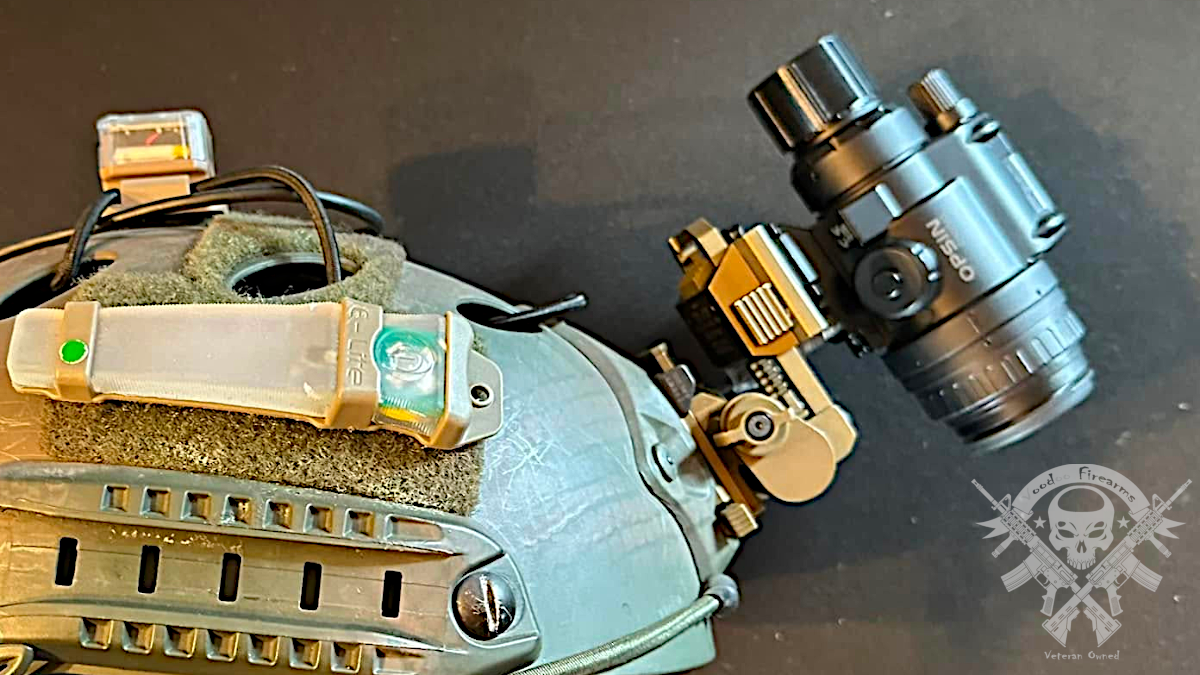
The SiOnyx OPSIN Black stands out because it gives new users a real, usable introduction to night observation without the steep learning curve or financial commitment of traditional Gen 3 night vision. It doesn’t pretend to be something it’s not, and that honesty makes it valuable.
- Accessible Entry Point: Uses digital night vision technology to keep costs far lower than analog systems.
- Easy to Learn: No tube specs, no phosphor decisions, and no complex mounting systems to figure out.
- Recording Capability: Built-in video capture lets users review footage or document nighttime activity.
- Good for Scanning: Well-suited for property checks, observation, and learning how low-light environments behave.
If you’re curious about night vision and want to build familiarity before committing to a full Gen 3 setup, the OPSIN fills that role better than most budget options on the market.
Export caution: Many night-vision devices (digital and analog) have export restrictions. If you travel internationally, verify rules before you pack it.
🔎 Available at trusted retailers — click to compare:
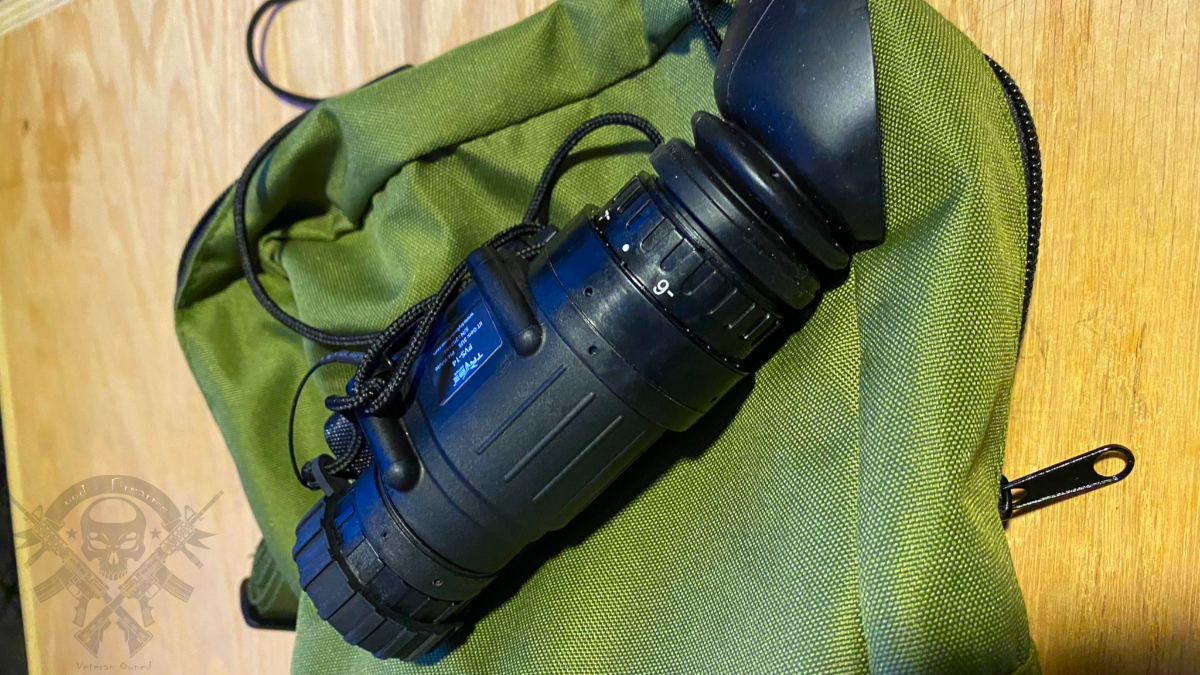
2. TRYBE Gen 3 PVS-14 Night Vision Monocular (Entry-Level Gen 3)
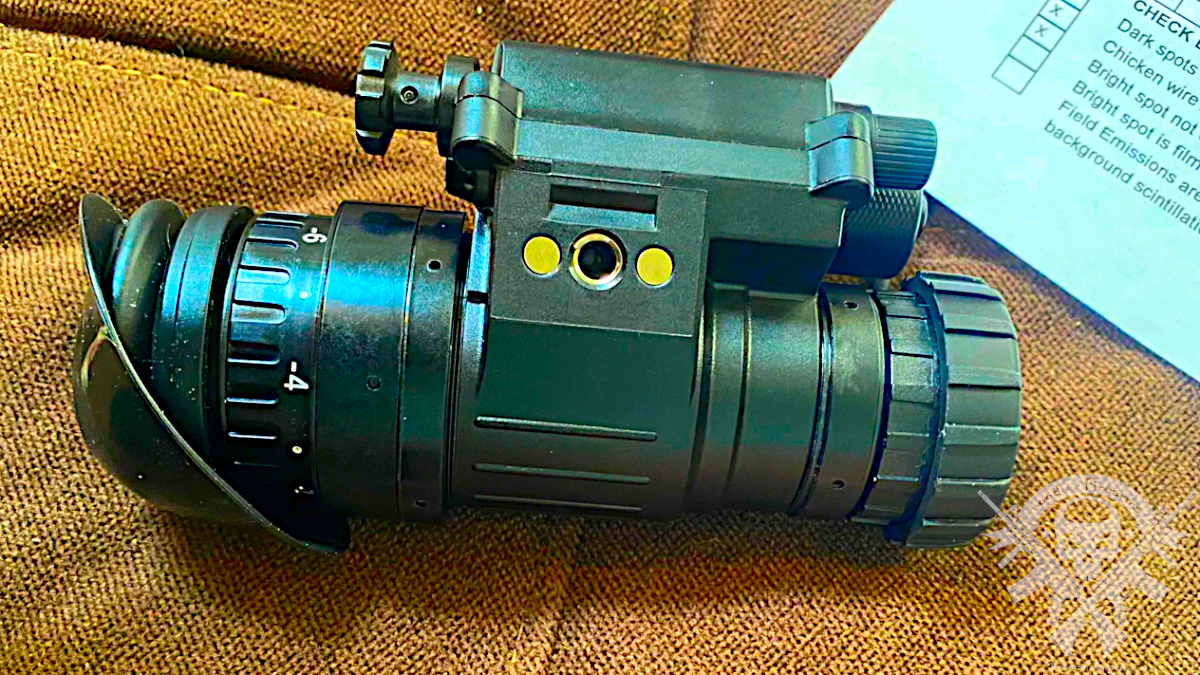
If you want to step into true analog Gen 3 night vision without paying premium-brand prices, the TRYBE Optics Gen 3 PVS-14 is one of the most accessible options on the market. It follows the standard PVS-14 pattern and delivers legitimate low-light performance suitable for helmet mounting, IR laser use, and real nighttime navigation.
TRYBE is OpticsPlanet’s in-house brand, which allows them to keep costs lower while still offering a real Gen 3 image intensifier. This makes it a common choice for first-time Gen 3 buyers who want to move beyond digital or Gen 2 without jumping straight into top-tier pricing.
At Voodoo Firearms, we see these used most often as a gateway into serious night vision — not flashy, not exotic, but functional and capable.
Key Features:
- Gen 3 Image Intensifier: True analog night vision with strong low-light sensitivity.
- Standard PVS-14 Housing: Compatible with common helmet mounts, J-arms, and accessories.
- Infrared Illuminator: Built-in IR illuminator for close-range use in very dark conditions.
- Manual Gain Control: Allows the user to adjust brightness based on ambient light.
- Lightweight Design: Suitable for helmet-mounted use without excessive neck strain.
- Lower Cost Entry to Gen 3: More affordable than premium-branded PVS-14 units.
Here’s a quick breakdown of what we liked and where it has limitations:
✅ Pros
- True Gen 3 Performance: A major step up from digital or Gen 2 night vision.
- Helmet-Mount Ready: Standard PVS-14 form factor works with common NV mounts.
- Good Value: One of the most affordable ways to get into analog Gen 3.
- Manual Gain Control: Helpful for adapting to changing light conditions.
- Simple and Familiar: Uses a well-known design with widely available accessories.
❌ Cons
- Tube Variability: Performance can vary depending on the specific Gen 3 tube installed.
- Not Filmless: Lower-end tubes compared to premium L3 or Elbit options.
- Limited QC Transparency: Fewer published tube specs than high-end NV builders.
Is the TRYBE Gen 3 PVS-14 Worth It?
If your goal is to enter the world of true Gen 3 night vision without paying premium prices, yes — this is a reasonable place to start.
It won’t match the clarity, low-light performance, or consistency of higher-end PVS-14 systems, but it delivers the core benefits that matter: passive night vision, helmet compatibility, and IR laser integration.
What Sets It Apart?
The TRYBE Gen 3 PVS-14 stands out primarily on price-to-capability ratio. It offers real Gen 3 performance in a familiar housing at a cost that makes night vision ownership achievable for more people.
It’s ideal for:
- First-time Gen 3 night vision buyers
- Users upgrading from digital or Gen 2 devices
- Training, property use, and casual night navigation
Practical Use:
When helmet-mounted and paired with an IR laser, the TRYBE PVS-14 allows users to experience hands-free nighttime movement and aiming. It’s a functional tool for learning night vision fundamentals without committing to a premium-tier system.
Why We Like It:
We like the TRYBE Gen 3 PVS-14 because it serves as a legitimate on-ramp into analog night vision. It doesn’t pretend to be elite, but it delivers the core Gen 3 experience that matters most.
- True Gen 3 Capability: Real analog performance, not digital simulation.
- Standardized Design: Easy to mount, upgrade, and accessorize.
- Approachable Price: Lower barrier to entry for serious night vision use.
- Functional and Familiar: Does what a PVS-14 should do, without gimmicks.
If you want to move beyond entry-level night devices and start working with real Gen 3 night vision, the TRYBE PVS-14 is a logical next step.
🔎 Available at trusted retailers — click to compare:
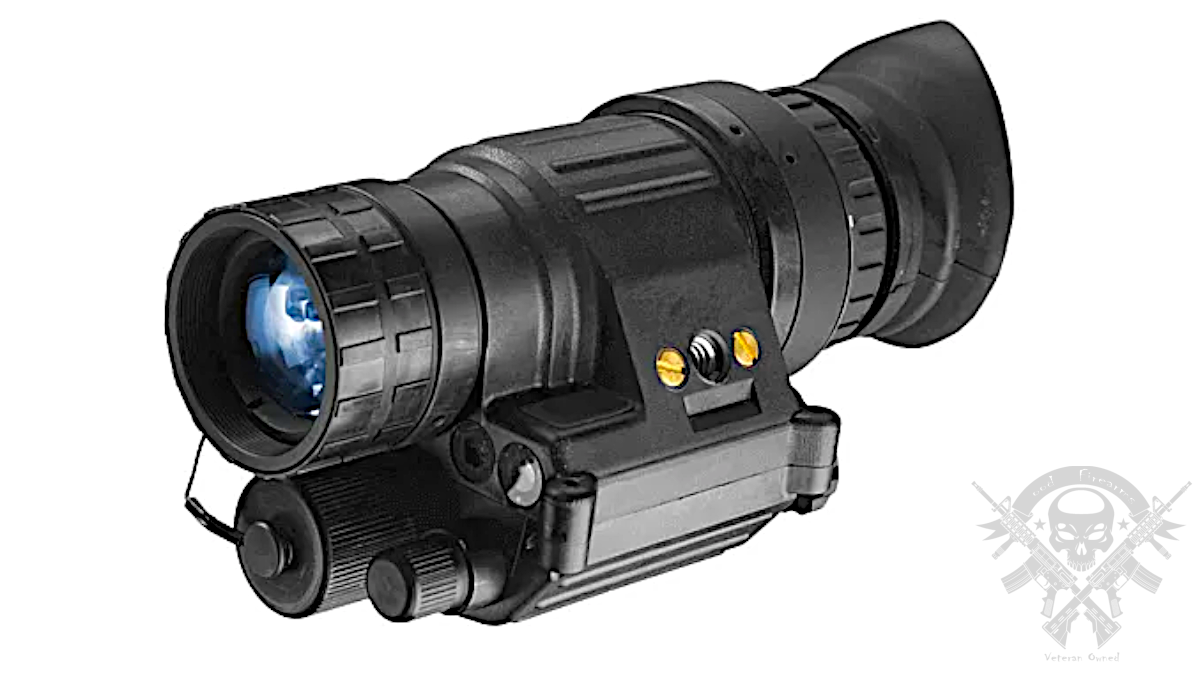
3. ATN PVS14-3 Gen 3 Night Vision Monocular (Best Proven Gen 3 Option)
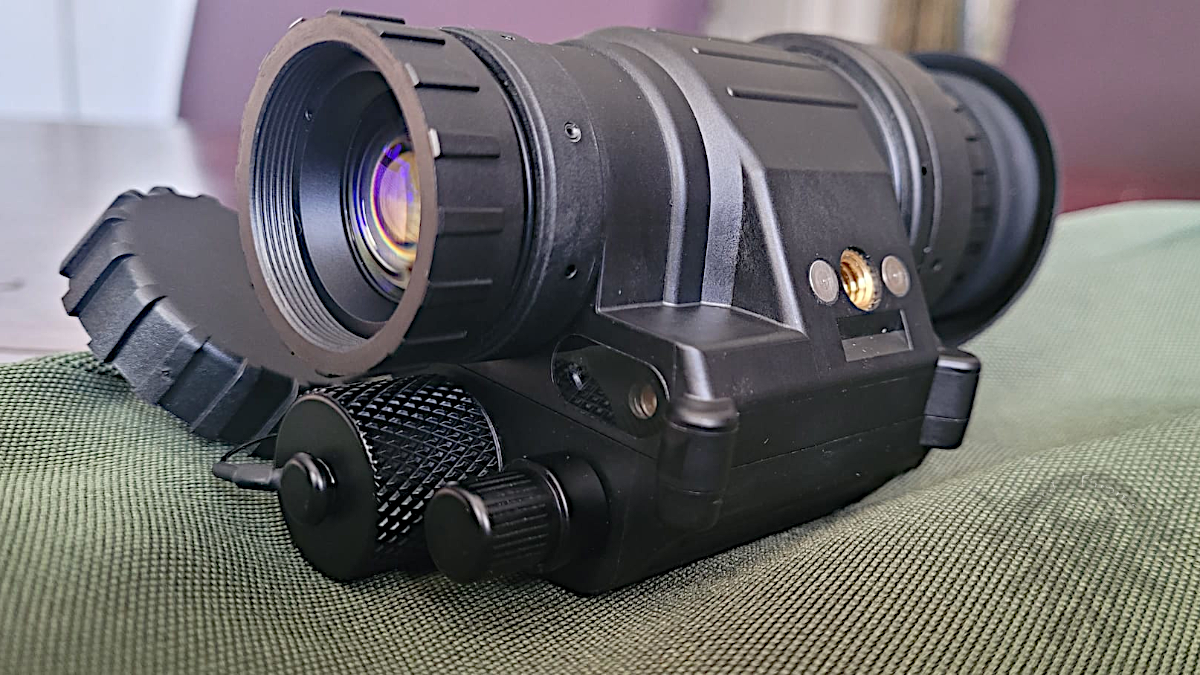
If you want a real Gen 3 night vision monocular without rolling the dice on surplus gear, the
ATN PVS14-3 is one of the most trusted civilian-legal options on the market.
Built on the proven PVS-14 platform, this unit delivers excellent low-light performance, helmet-mount compatibility,
and long-term durability backed by a major manufacturer.
At Voodoo Firearms, this is the type of Gen 3 unit we recommend to shooters who want serious night capability without
jumping straight into $4,000+ boutique tubes.
Key Features:
- Gen 3 Image Intensifier Tube: Delivers excellent low-light performance with strong contrast and minimal noise.
- PVS-14 Form Factor: Fully compatible with standard helmet mounts, J-arms, and weapon mounts.
- Manual Gain Control: Allows the user to fine-tune brightness based on ambient light conditions.
- Built-In IR Illuminator: Integrated IR light for navigation and short-range identification in zero-light environments.
- Rugged Housing: Designed for real-world field use, not just casual observation.
- Made by ATN: Backed by a long-standing night vision manufacturer with warranty support.
Here’s a quick breakdown of what we loved and what could be better:
✅ Pros
- True Gen 3 Performance: A noticeable jump over Gen 2 and digital night vision.
- PVS-14 Compatibility: Works with standard mounts, helmets, and accessories.
- Manual Gain Control: Critical for adapting to different lighting conditions.
- Proven Design: Based on one of the most field-tested night vision platforms ever made.
- Manufacturer Support: New-production unit with warranty protection.
❌ Cons
- More Expensive Than Gen 2: True Gen 3 performance comes at a higher cost.
- Tube Quality Can Vary: As with most Gen 3 units, exact specs depend on the tube batch.
- No White Phosphor Option: Typically green phosphor only.
Is the ATN PVS14-3 Worth It?
If you’re stepping into serious night vision and want a proven platform without buying used or surplus gear, the
ATN PVS14-3 is absolutely worth considering.
It offers the core benefits shooters care about — reliable Gen 3 performance, helmet compatibility, and durability —
without unnecessary gimmicks.
What Sets It Apart?
Unlike budget digital units or questionable surplus monoculars, the ATN PVS14-3 delivers
real image intensification in a platform that has decades of real-world use behind it.
It’s ideal for:
- Helmet-mounted night vision setups
- Property scanning and land navigation
- IR laser-equipped rifles
- Shooters upgrading from Gen 2 or digital NV
Practical Versatility:
Whether you’re moving on foot, scanning property, or running an IR laser setup, the
ATN PVS14-3 integrates cleanly into modern night-fighting systems without extra adapters or workarounds.
Why We Like It:
The ATN PVS14-3 hits the sweet spot between performance, reliability, and availability.
It’s a no-nonsense Gen 3 monocular that works exactly the way a PVS-14 should.
- True Gen 3 Tube: Real low-light amplification, not digital simulation.
- Standardized Platform: Easy integration with existing NV gear.
- Manual Gain: Full control over image brightness.
- Trusted Manufacturer: ATN backing and warranty support.
legitimate night capability without venturing into used or surplus equipment. Reliable, compatible, and built on a platform that works.
🔎 Available at trusted retailers — click to compare:
4. EOTech MonoNV Night Vision Monocular (Best Rugged Professional Option)
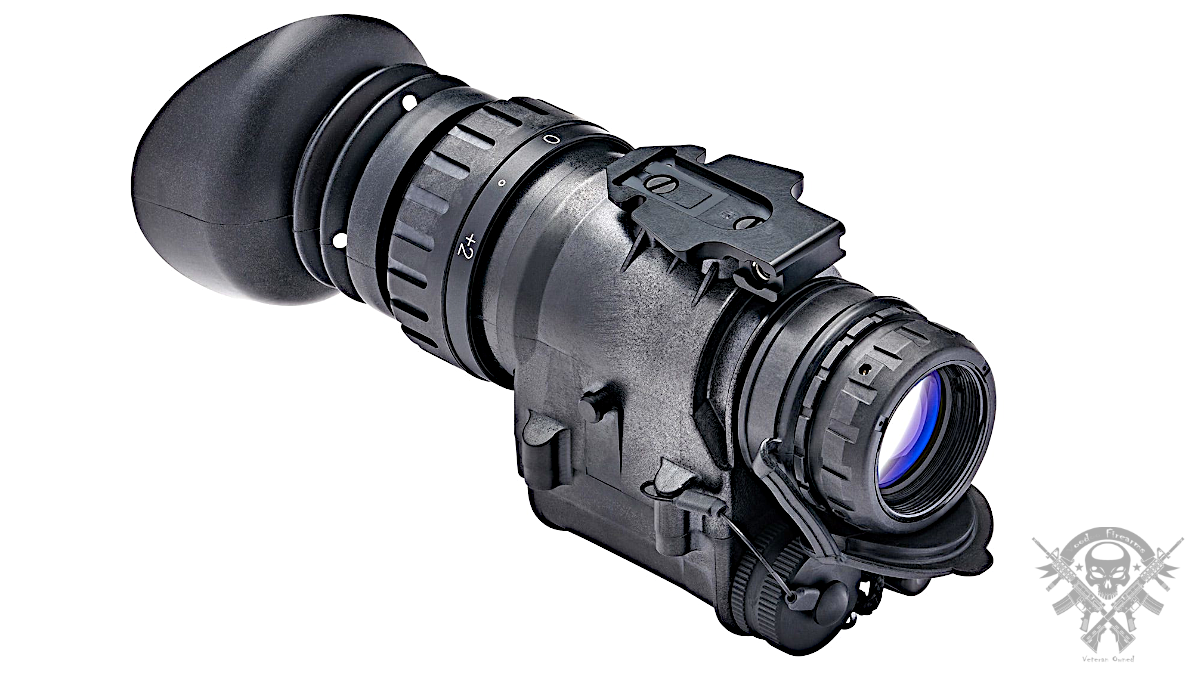
If you’re looking for a no-compromise, duty-grade night vision monocular built by one of the most trusted names in professional optics, the EOTech MonoNV is exactly that. This is a purpose-built monocular designed for serious users who value reliability, clarity, and rugged construction over flashy features.
EOTech designed the MonoNV around the proven PVS-14 form factor, making it fully compatible with standard helmet mounts, accessories, and training ecosystems already in widespread use.
Key Features:
- Gen 3 Image Intensifier – Provides excellent low-light performance with strong contrast and clarity.
- Standard PVS-14 Housing – Compatible with common helmet mounts and accessories.
- Manual Gain Control – Fine-tune image brightness based on ambient lighting.
- Rugged Polymer Housing – Built to withstand hard field use and repeated mounting.
- IR Illuminator Built-In – Useful in zero-light environments or indoors.
- Water & Shock Resistant – Designed for real-world environmental abuse.
Here’s a quick breakdown of what we loved and what could be better:
✅ Pros
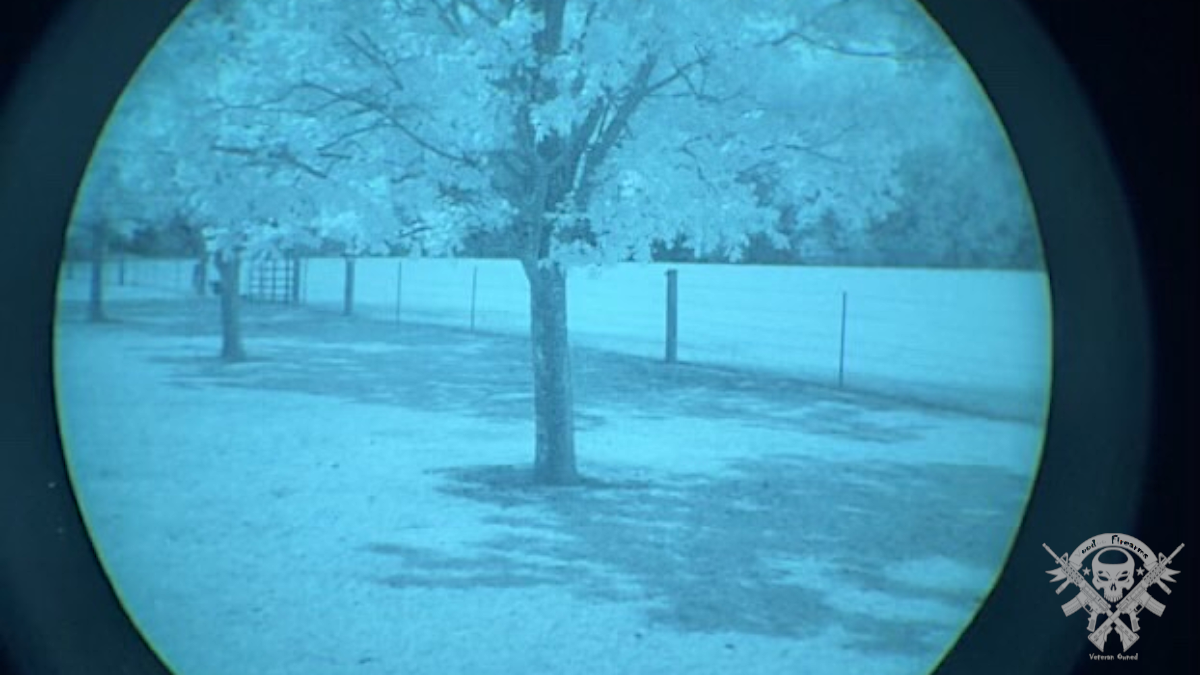
- Excellent Low-Light Performance: Clean Gen 3 image with strong detail in dark conditions.
- Helmet-Ready Design: Drops into standard PVS-14 mounting solutions.
- Manual Gain Control: Lets you dial in brightness instead of relying on auto-only systems.
- Built by EOTech: Strong reputation for professional-grade optics and QC.
- Integrated IR Illuminator: Adds versatility when ambient light disappears.
❌ Cons
- Premium Price: Costs more than entry-level or digital night vision options.
- No Recording Capability: Pure analog NV — no video capture or app features.
- Availability Varies: Often sold in limited batches depending on tube supply.
Is the EOTech MonoNV Worth It?
If you want a serious, professional-grade night vision monocular that prioritizes performance and durability over gimmicks, the answer is yes.
This is a buy-once, cry-once option for users who want dependable Gen 3 night vision in a form factor that’s already proven across civilian, LE, and professional environments.
What Sets It Apart?
What sets the MonoNV apart is its focus on fundamentals done right: solid Gen 3 performance, a familiar PVS-14 layout, and EOTech’s reputation for rugged, mission-ready equipment.
Instead of chasing extra features, EOTech delivers a monocular that integrates seamlessly into existing night vision setups and training pipelines.
It’s ideal for:
- Helmet-mounted night navigation and movement
- Users who want a proven PVS-14-style monocular
- Shooters prioritizing reliability and compatibility
Practical Versatility:
Whether you’re scanning terrain, moving hands-free, or pairing with an IR laser, the MonoNV performs exactly as expected. The manual gain control and integrated IR illuminator make it adaptable across lighting conditions without overcomplication.
Why We Like It:
We like the EOTech MonoNV because it delivers clean Gen 3 performance in a trusted, no-nonsense package. It’s not flashy — it’s dependable, compatible, and built for users who take night vision seriously.
- Proven PVS-14 format: Easy integration with existing mounts
- Manual gain control: Better image management in changing light
- Built-in IR illuminator: Extra capability when ambient light is gone
- Rugged construction: Designed for hard use
🔎 Available at trusted retailers — click to compare:
5. ATN PVS-14-3HFW 51° FOV (Best Wide-Field Gen 3 Upgrade)
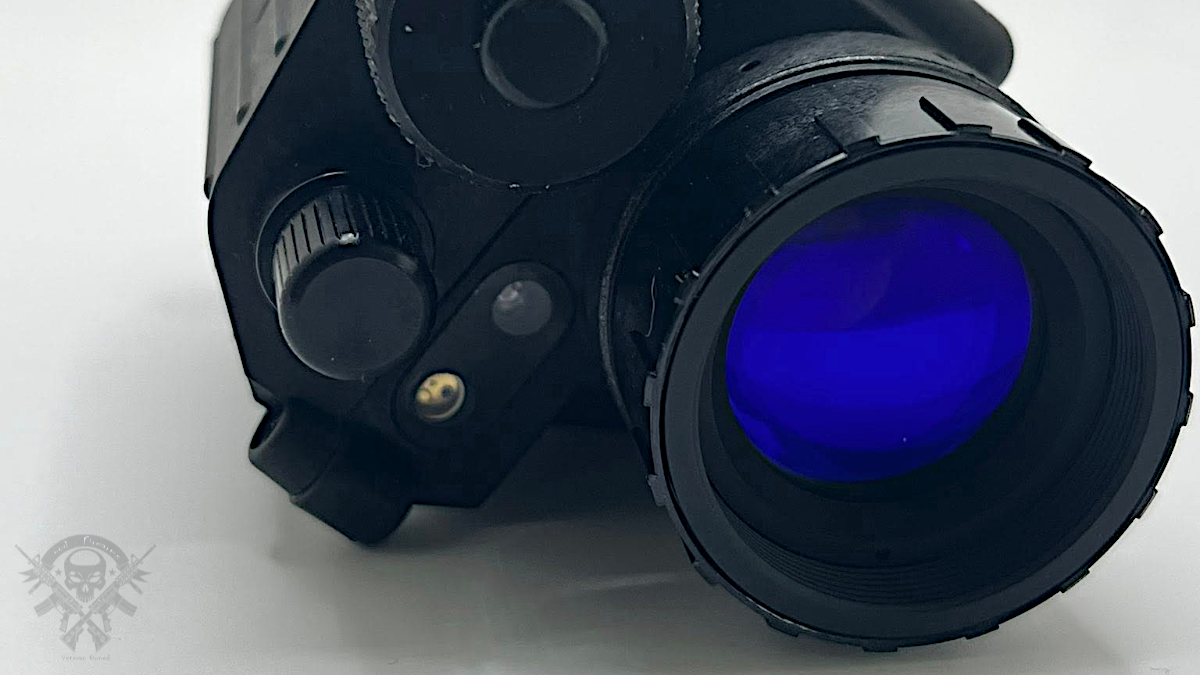
If you’re stepping into true Gen 3 night vision and want a noticeable performance upgrade over standard PVS-14 units, the ATN PVS-14-3HFW stands out immediately. Its defining advantage is the expanded 51° field of view, offering significantly more situational awareness than the traditional 40° layout.
This is not a gimmick upgrade. The wider FOV reduces tunnel vision, improves movement awareness, and makes scanning terrain feel more natural—especially valuable for helmet-mounted use, navigation, and extended observation.
Key Features:
- Gen 3 White Phosphor Tube – Crisp contrast, reduced eye fatigue, and superior low-light performance.
- 51° Wide Field of View – Substantially wider than standard 40° monoculars for better situational awareness.
- Manual Gain Control – Fine-tune brightness for changing light conditions.
- Auto-Gated Technology – Protects the intensifier tube from sudden light exposure.
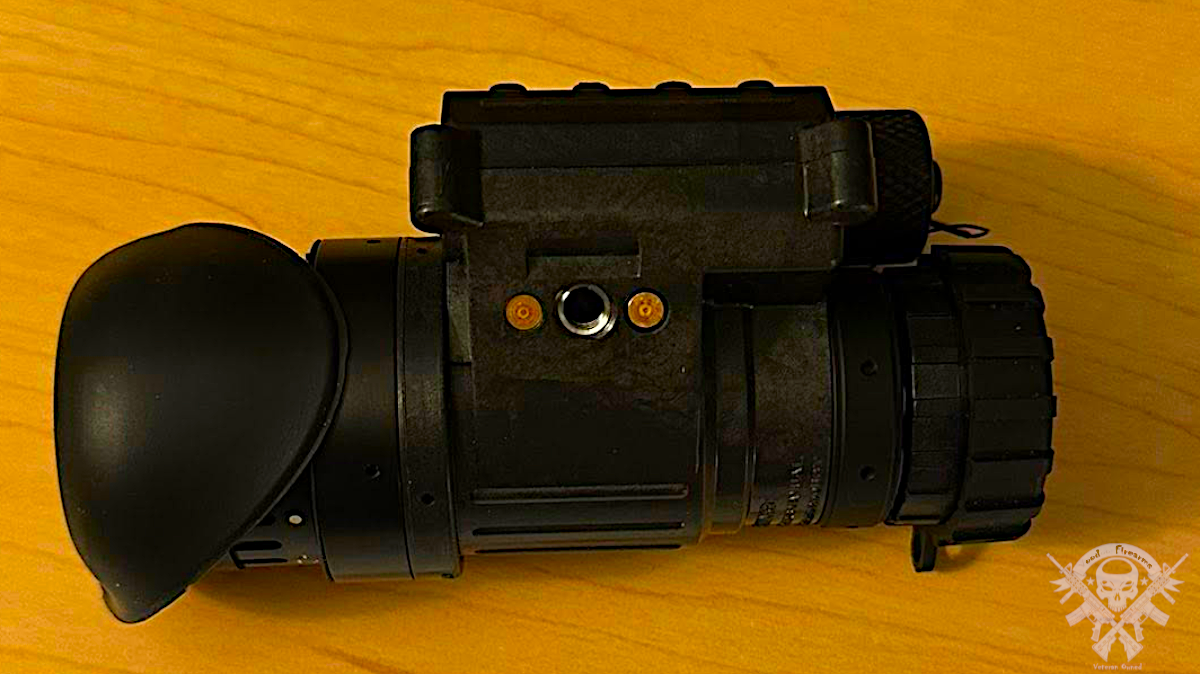
- Mil-Spec PVS-14 Housing – Compatible with standard mounts, helmets, and accessories.
- Built-In IR Illuminator – For zero-light environments.
- Single AA Power – Common battery with long runtime.
Here’s a quick breakdown of what we loved and what could be better:
✅ Pros
- Expanded Field of View: The 51° FOV noticeably improves awareness and comfort.
- True Gen 3 Performance: Excellent clarity, contrast, and low-light sensitivity.
- Helmet & Weapon Compatible: Standard PVS-14 footprint works with common mounts.
- Reduced Eye Strain: White phosphor is easier on the eyes during long sessions.
- Future-Proof Investment: Performs at a level that won’t feel obsolete in a year.
❌ Cons
- Expensive: This is a premium Gen 3 unit—price reflects performance.
- Not a Beginner Toy: Overkill if you only need occasional backyard observation.
- Availability Can Vary: High-end tubes may go in and out of stock.
Is the ATN PVS-14-3HFW Worth It?
Yes—if you actually plan to use night vision the way it’s intended. The wider field of view alone is a meaningful upgrade that experienced users immediately appreciate.
This is the kind of monocular where the “buy once, cry once” philosophy applies. It’s expensive, but it delivers something budget units simply cannot: natural movement, better awareness, and confidence in total darkness.
What Sets It Apart?
Most PVS-14s look similar on paper. The ATN PVS-14-3HFW separates itself by addressing one of night vision’s biggest weaknesses—narrow vision.
That extra field of view matters more than spec sheets suggest, especially when walking, scanning, or running passive aiming setups.
It’s ideal for:
- Helmet-mounted night navigation.
- Passive aiming with IR lasers.
- Users upgrading from Gen 2 or digital night vision.
- Anyone who values awareness over raw magnification.
Practical Versatility:
Whether you’re moving through property at night, training under NODs, or running a serious night setup, this unit performs exactly how high-end night vision should.
It integrates cleanly with helmets, mounts, and accessories while providing a noticeably more immersive viewing experience than standard PVS-14s.
Why We Like It:
This is the PVS-14 variant you buy when you already understand night vision—or want to skip the upgrade cycle entirely.
“Wide field Gen 3 night vision that actually changes how you move in the dark.”
- 51° Field of View: More awareness, less tunnel vision.
- Gen 3 White Phosphor: Clean, high-contrast image.
- Manual Gain Control: Precision brightness adjustment.
- Auto-Gated Tube: Protection in mixed lighting.
- Standard PVS-14 Compatibility: Works with existing gear.
🔎 Available at trusted retailers — click to compare:
6. AGM Global Vision PVS-14 Multi-Purpose Night Vision Monocular
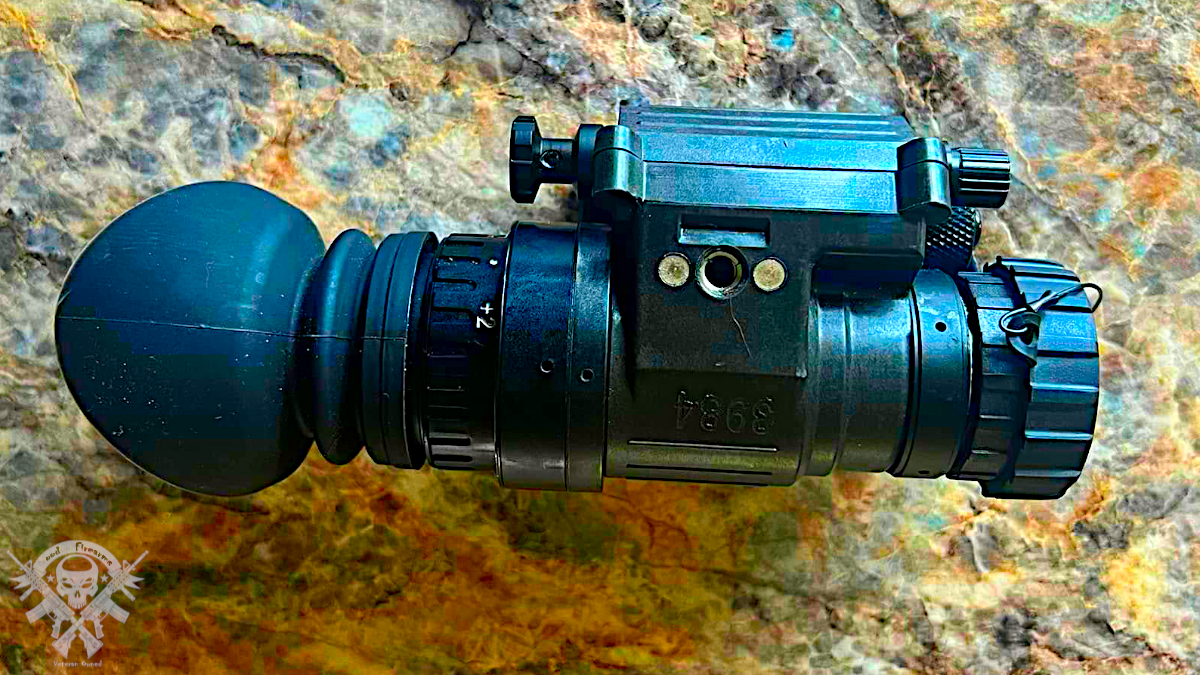
If you want a real PVS-14 format monocular that works with standard mounts and accessories, the AGM Global Vision PVS-14 is a serious buy-once platform. It’s built around the proven PVS-14 footprint, so it’s easy to integrate into a helmet setup, handheld scanning, or a complete IR laser + NV rig.
This is not a “toy” digital unit. It’s designed for shooters who want legitimate low-light capability and the flexibility to grow into a full night setup without getting trapped in proprietary hardware.
Key Features:
- PVS-14 Standard Format: Works with common J-arms, dovetail adapters, and helmet mounts.
- Gen 3 Night Vision Performance: Built for real-world low-light navigation and identification (tube options vary by model).
- Manual Gain Control: Fine-tune brightness for different lighting conditions.
- Built-In IR Illuminator: Helps in near-total darkness at close range.
- Auto Shut-Off Functionality: Designed to protect the tube when helmet-mounted and flipped up (with compatible mounts).
- Lightweight, Field-Ready Housing: Keeps weight reasonable for helmet use and extended sessions.
- Simple Power System: Common battery setup for easy replacements in the field.
Here’s a quick breakdown of what we loved and what could be better:
✅ Pros
- True PVS-14 Footprint: Easy to mount, upgrade, and support long-term.
- Buy-Once Platform: Builds into a full NV rig without needing to replace the monocular later.
- Versatile Use: Helmet-mounted, handheld scanning, or weapon-mounted with proper setup.
- Manual Gain: Lets you dial in image brightness depending on lighting and terrain.
- Real Night Capability: Seeing in the dark is a massive advantage when you actually train and move at night.
❌ Cons
- Expensive: True Gen 3 night vision costs real money. That’s the game.
- Tube Specs Vary: Performance depends on the specific tube option/configuration you select.
- Needs Training: Night vision is a capability set. You’ll get out what you put into reps and setup.
Is the AGM PVS-14 Worth It?
Yes — if you want real night capability and you’re building toward a serious setup. Night vision monoculars are expensive, but the ability to see, move, and identify in the dark is a huge advantage that changes what your rifle and your training can actually do.
This is one of those purchases where “buy once, cry once” applies. Spend the money on a solid unit now, and you won’t be chasing upgrades or replacing a budget monocular later.
What Sets It Apart?
The biggest advantage is that it’s built around the PVS-14 standard. That matters because mounts, parts, and accessories are everywhere, and you’re not locked into a weird proprietary ecosystem.
Plus, it’s a proven layout that works: simple controls, good balance, and real-world usability.
It’s ideal for:
- Helmet-mounted night vision setups.
- Property scanning, navigation, and low-light training.
- Building a full IR laser + night vision capable rifle setup.
These advantages make the AGM PVS-14 ideal for shooters who want a standard-format monocular that can grow with their gear and training.
Practical Versatility:
Whether you’re walking property lines at night, training movement drills, or running a helmet setup with an IR laser, the AGM PVS-14 is flexible enough to handle it.
Pair it with a quality helmet mount and a real IR illuminator later, and you’ve got a platform that will stay relevant for years.

Why We Like It:
We like it because it’s a legit PVS-14 style monocular that delivers the core advantage night vision is supposed to give you: the ability to operate when it’s dark.
“Buy once, cry once. If you want night capability, start with a real PVS-14 format unit.”
The AGM Global Vision PVS-14 is a serious piece of kit. Here’s why we recommend it:
- Standard Mount Compatibility: Works with common helmet mounts and accessories.
- Real Night Performance: A true night capability upgrade over digital units.
- Manual Gain Control: Helps fine-tune image brightness in varied conditions.
- Expandable Platform: Builds into a full rig with IR laser/illumination later.
- Long-Term Value: You’re buying into the most supported monocular format out there.
If you’re serious about night vision and want a monocular that won’t become obsolete after you level up your setup, the AGM PVS-14 is the right move.
🔎 Available at trusted retailers — click to compare:
7. Armasight PVS-14 Gen 3 Pinnacle IIT Night Vision Monocular
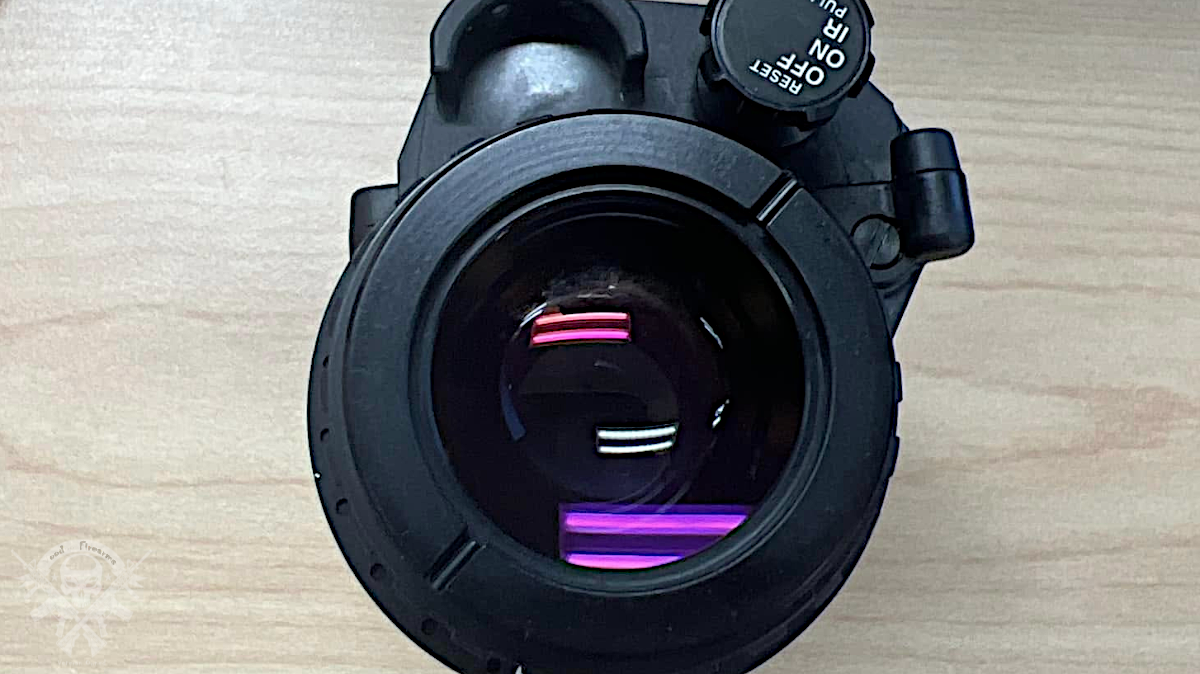
If you want a true military-grade night vision monocular trusted by professionals, the Armasight PVS-14 Gen 3 Pinnacle delivers exceptional low-light performance in a proven, no-compromise platform.
Built around a Gen 3 Pinnacle image intensifier tube, this monocular offers outstanding resolution, signal-to-noise ratio, and edge clarity—making it ideal for navigation, observation, and weapon-mounted use under extreme darkness.
Key Features:
- Gen 3 Pinnacle IIT: Premium-grade tube with excellent light amplification and contrast.
- High Resolution Output: Sharp image quality with reduced halo and distortion.
- Multi-Purpose PVS-14 Design: Helmet-mounted, handheld, or weapon-mounted capable.
- Manual Gain Control: Allows fine-tuning image brightness in varying light conditions.
- Built-In IR Illuminator: Enables use in near-total darkness with no ambient light.
- Water & Shock Resistant: Designed for field use in harsh environments.
- Runs on AA or CR123A: Flexible power options with solid runtime.
Here’s a quick breakdown of what we loved and what could be better:
✅ Pros
- Pinnacle Tube Performance: Excellent clarity, contrast, and low-light sensitivity.
- True Mil-Spec Platform: Based on the same design issued to military units.
- Versatile Mounting Options: Works helmet-mounted, handheld, or weapon-mounted.
- Reliable Build Quality: Built to survive real-world field abuse.
- Excellent Tube Consistency: Minimal blemishes and clean image zone.
❌ Cons
- Expensive: Premium Gen 3 performance comes at a higher price point.
- No Digital Features: Pure analog night vision—no recording or overlays.
- Requires Training: Best used by shooters familiar with night vision systems.
Is the Armasight PVS-14 Pinnacle Worth It?
Yes—if you want real Gen 3 performance and not a digital or entry-level substitute.
This monocular is trusted for its reliability, tube quality, and flexibility. It’s a buy-once, cry-once solution for serious night vision users.
What Sets It Apart?
The Pinnacle IIT tube is the standout feature here. Compared to standard Gen 3 tubes, it offers better contrast, less haloing, and superior performance in very low ambient light.
This is the classic PVS-14 platform refined with a higher-grade tube.
It’s ideal for:
- Night vision users who want true Gen 3 performance.
- Hunters, professionals, and prepared civilians.
- Buy-once users who don’t want to upgrade later.
These advantages make the Armasight PVS-14 Pinnacle a top-tier monocular.
Practical Versatility:
From navigation and scanning to helmet-mounted movement or passive aiming, the Armasight PVS-14 Pinnacle handles it all with confidence.
Its balance, clarity, and durability make it a go-to monocular for real-world night operations.
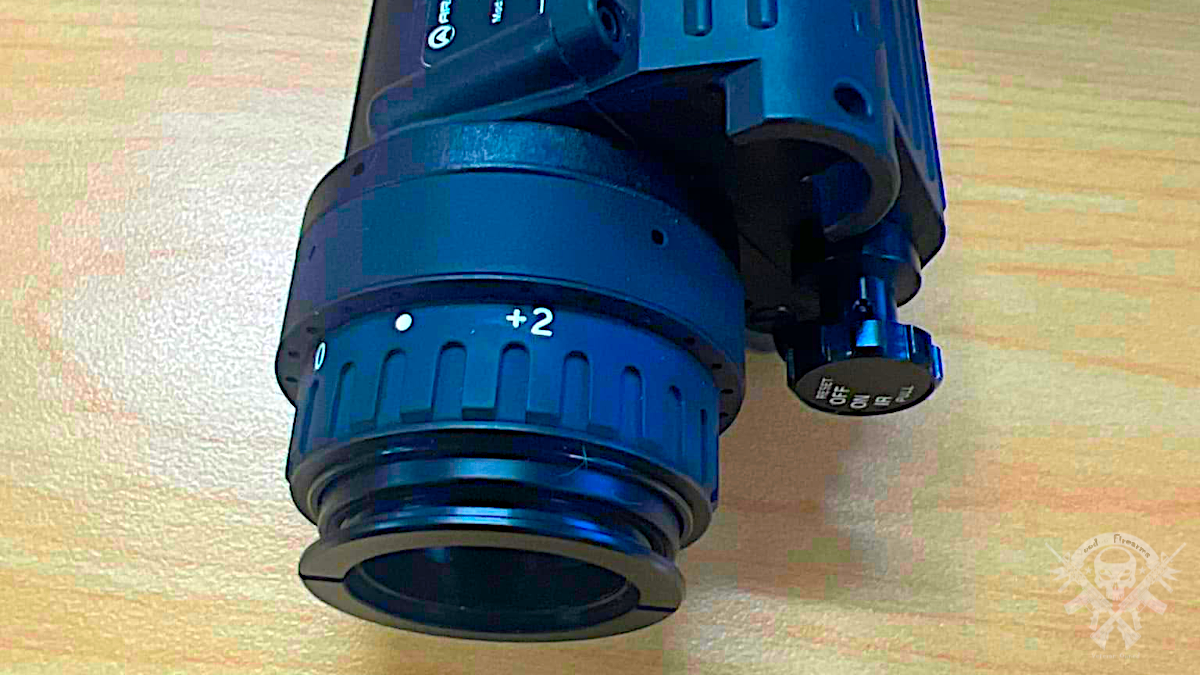
Why We Like It:
This is what people mean when they say “real night vision.” No gimmicks. No shortcuts. Just proven Gen 3 performance in the most widely trusted monocular design ever made.
- Gen 3 Pinnacle Tube: Superior low-light clarity and contrast.
- True PVS-14 Platform: Field-proven and widely supported.
- Multi-Mount Capable: Helmet, handheld, or weapon use.
- Built-In IR Illuminator: Works even with zero ambient light.
- Buy Once Quality: You won’t need to upgrade later.
If you want professional-grade night vision that actually lets you see in the dark, this is the one to own.
🔎 Available at trusted retailers — click to compare:
8. Elbit Systems of America PVS-14 Gen 3 Night Vision Monocular
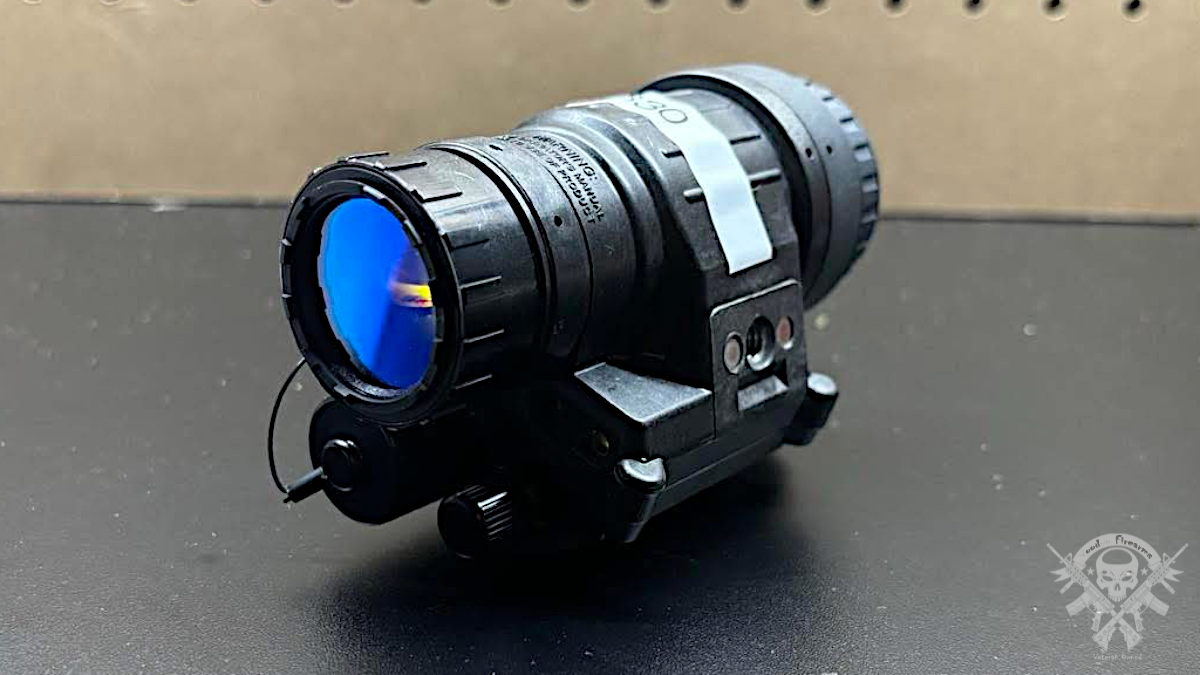
If you want true military-issue night vision, the Elbit Systems of America PVS-14 is the real deal. This is a Gen 3 image intensifier monocular built to the same standards used by U.S. armed forces and allied SOF units.
Unlike consumer-grade night vision, Elbit PVS-14 units are assembled in the U.S. using Elbit Gen 3 IITs, delivering exceptional low-light performance, durability, and long-term reliability.
Key Features:
- Elbit Gen 3 Image Intensifier: Military-spec tube with excellent resolution, gain, and signal-to-noise ratio.
- Multi-Purpose PVS-14 Design: Helmet-mounted, weapon-mounted, or handheld use.
- Autogated Power Supply: Protects the tube in dynamic lighting and improves lifespan.
- Manual Gain Control: Adjust brightness to match ambient light conditions.
- Built to Mil-Spec Standards: Designed to meet military durability and performance requirements.
- Integrated IR Illuminator: Provides short-range illumination in zero-light environments.
- CR123A or AA Power: Flexible power options depending on configuration.
Here’s a quick breakdown of what we loved and what could be better:
✅ Pros
- True Military Lineage: Elbit is one of the world’s top defense optics manufacturers.
- Outstanding Low-Light Performance: Excellent clarity in starlight and moonless conditions.
- Proven PVS-14 Platform: The most widely fielded NV monocular in the world.
- Extreme Reliability: Built to survive recoil, impacts, and harsh environments.
- Excellent Resale Value: Holds value better than most civilian night vision devices.
❌ Cons
- Expensive: This is professional-grade night vision, not a budget toy.
- Monocular Only: Single-tube design lacks depth perception compared to duals.
- Overkill for Casual Use: More capability than most recreational users need.
Is the Elbit PVS-14 Worth It?
If you want authentic, no-compromise night vision, then yes — absolutely.
This is not hobby-grade gear. The Elbit PVS-14 is designed for professionals who depend on night vision working every single time, whether for duty use, security work, or serious preparedness.
What Sets It Apart?
Elbit Systems isn’t a commercial optics brand — it’s a defense contractor. That means tighter tolerances, higher-quality tubes, and stricter quality control than typical consumer NV manufacturers.
This is as close as civilians legally get to issued military night vision.
It’s ideal for:
- Professional users who need absolute reliability.
- Prepared civilians building a serious night vision capability.
- Helmet-mounted and weapon-mounted NV setups.
It delivers true military performance in a proven, modular form factor.
Practical Versatility:
The Elbit PVS-14 excels in every realistic night environment — urban, rural, wooded, or open terrain.
Whether helmet-mounted for movement or paired with an IR laser for passive aiming, it performs exactly as expected.
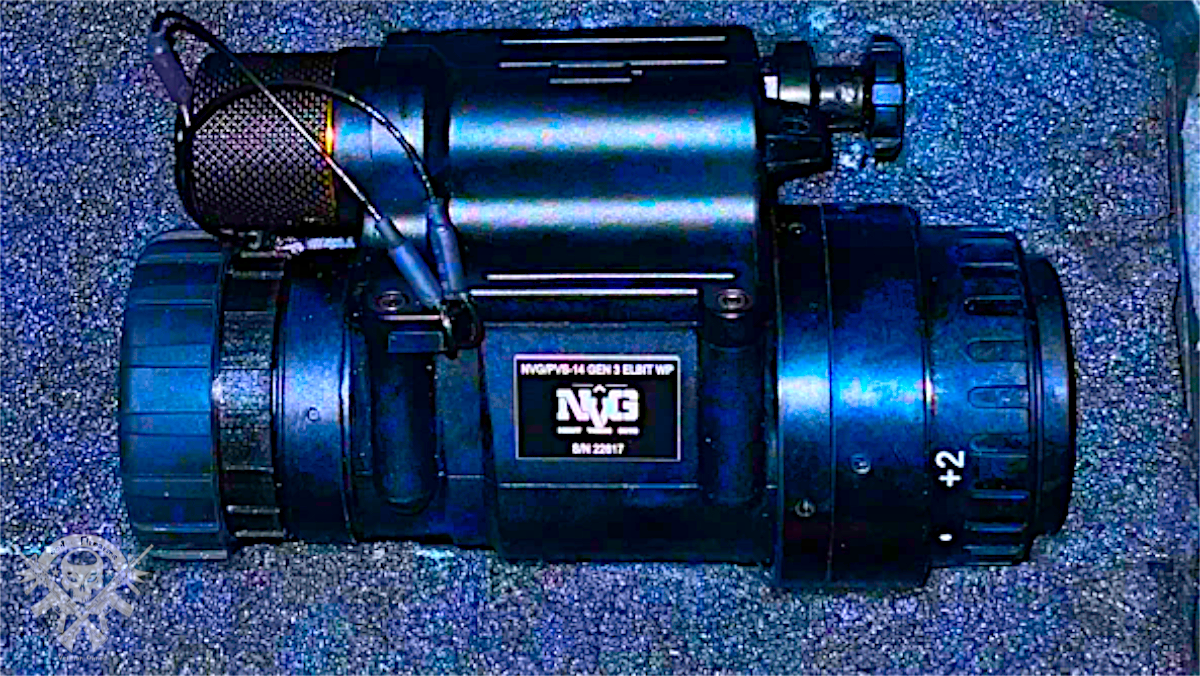
Why We Like It:
This is the kind of night vision you buy once and never need to upgrade.
“If it’s good enough for military issue, it’s good enough for real-world civilian use.”
It’s expensive — but it lets you see in total darkness, which is a massive capability advantage.
- Elbit Gen 3 Tube: Defense-grade image intensifier.
- Multi-Mount Capability: Helmet, weapon, or handheld.
- Autogated Protection: Handles dynamic lighting safely.
- Proven PVS-14 Platform: Decades of real-world use.
- Buy Once, Cry Once: You won’t outgrow this device.
If you want a night vision monocular that represents the top end of what civilians can legally own, this is it.
🔎 Available at trusted retailers — click to compare:
9. Steele Industries L3 Unfilmed Waterproof PVS-14 Night Vision Monocular
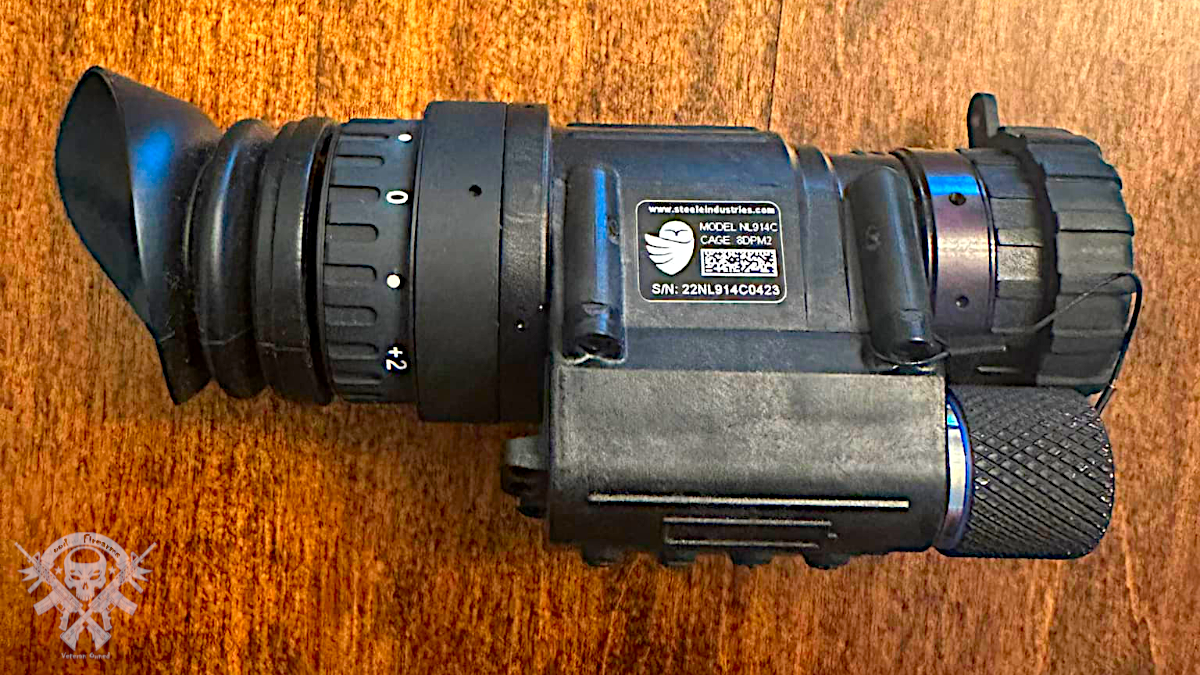
The Steele Industries L3 Unfilmed PVS-14 is a top-tier Gen 3 night vision monocular built with L3 Harris unfilmed white phosphor image intensifier tubes, delivering elite clarity, extreme low-light sensitivity, and unmatched reliability.
Designed for professional use, this waterproof PVS-14 is trusted by military, law enforcement, and serious civilian night vision users who demand the best.
Key Features:
- L3 Unfilmed White Phosphor Tube: Maximum light transmission with reduced scintillation and superior image clarity.
- Waterproof Housing: Fully sealed and nitrogen purged for harsh environments and wet conditions.
- Multi-Purpose Configuration: Handheld, helmet-mounted, or weapon-mounted versatility.
- Manual Gain Control: Fine-tune brightness to match ambient lighting conditions.
- Auto-Gated Gen 3 Technology: Protects tube life while maintaining image quality under changing light.
- IR Illuminator Included: Built-in IR light for zero-light navigation and close-range tasks.
- Mil-Spec PVS-14 Housing: Compatible with standard mounts, accessories, and optics.
Here’s a quick breakdown of what we loved and what could be better:
✅ Pros
- Unmatched Image Quality: L3 unfilmed tubes are the gold standard for night vision clarity.
- Extremely Low-Light Performance: Excellent in starlight, overcast, and rural environments.
- Professional-Grade Build: Built and inspected by Steele Industries in the USA.
- True Multi-Role Device: Works seamlessly across helmet, weapon, and handheld setups.
- Long-Term Investment: Outstanding tube longevity and resale value.
❌ Cons
- Premium Price: Top-tier performance comes with a higher cost.
- Availability Can Vary: High demand can impact lead times.
- Overkill for Casual Use: More capability than most casual users require.
Is the Steele Industries L3 PVS-14 Worth It?
If you want the best-performing PVS-14 available, the answer is yes.
This unit delivers elite image quality, extreme reliability, and true duty-grade performance trusted by professionals worldwide.
What Sets It Apart?
The combination of L3 unfilmed white phosphor tubes, Steele Industries assembly, and waterproof mil-spec housing puts this PVS-14 at the very top of the market.
It is built for users who refuse compromise.
It’s ideal for:
Serious night vision users who want maximum performance, longevity, and adaptability.
- Night vision professionals and advanced civilian users
- Helmet-mounted and dual-tube expansion setups
- Low-light surveillance, patrol, and rural operations
This is a no-compromise PVS-14 built to exceed expectations.
Practical Versatility:
Whether mounted on a helmet, rifle, or used handheld, the Steele Industries L3 PVS-14 performs flawlessly across environments.
Its clarity, gain control, and rugged construction make it adaptable to nearly any mission profile.

Why We Like It:
This is what a true duty-grade PVS-14 should be — elite tubes, professional assembly, and zero compromises.
“When performance matters, unfilmed L3 is the benchmark.”
- L3 Unfilmed Tube: Industry-leading low-light performance
- White Phosphor Image: Reduced eye strain and improved contrast
- Waterproof Housing: Mission-ready durability
- Multi-Role Design: Helmet, weapon, or handheld use
If you want the best Gen 3 PVS-14 money can buy, this is it.
🔎 Available at trusted retailers — click to compare:
Final Thoughts on Night Vision Monoculars
Night vision monoculars aren’t cheap — and there’s no way around that. But they let you see, move, and identify in total darkness, which is a massive capability jump that no flashlight or optic can replicate.
Whether you’re scanning property, navigating terrain, or running a helmet-mounted setup with an IR laser, good night vision completely changes what’s possible after dark. It’s one of those upgrades that immediately shows its value the first night you use it.
You don’t need to jump straight into the most expensive military tube on the market, but this is also not the category to cheap out on. Buy once, cry once applies here more than almost anywhere else. A solid Gen 3 monocular with good glass and a clean tube will last years and actually perform when it matters.
If you’re just getting into night vision and want a modern, civilian-friendly entry point, digital options like the Sionyx Opsin can make sense. For serious helmet-mounted use, observation, and long-term reliability, the PVS-14 Gen 3 platform remains the gold standard.
The key is choosing a monocular that matches how you’ll actually use it — handheld scanning, helmet-mounted movement, or a flexible do-it-all setup — then committing to training with it. Night vision isn’t magic gear; it’s a force multiplier when you know how to use it.
Learn More:
Don’t forget to check out these posts to learn more about the best options available:
- How To Choose a Night Vision Monocular
- Gen 3 vs Digital Night Vision: What’s the Real Difference?
- Do You Need an IR Illuminator for Night Vision?
🔍 FAQs – Best Night Vision Monoculars (Expert Insight)
Q: Are night vision monoculars legal for civilians?
A: Yes. In the United States, civilians can legally own and use night vision monoculars, including Gen 3 devices, in most states. There are no federal restrictions on ownership. However, exporting night vision devices outside the U.S. is restricted under ITAR regulations, and some states or localities may have rules regarding use while hunting. Always check local laws, but for ownership and training, night vision monoculars are widely legal.
Q: What’s the difference between Gen 2 and Gen 3 night vision?
A: The difference is substantial. Gen 3 night vision offers significantly better low-light performance, longer tube life, improved signal-to-noise ratio, and cleaner image quality compared to Gen 2. Gen 2 can work in urban or moonlit environments, but Gen 3 excels in near-total darkness with less image noise and better target identification. If budget allows, Gen 3 is where night vision truly becomes reliable.
Q: Is white phosphor better than green phosphor?
A: Neither is objectively “better,” but white phosphor is generally preferred by most users today. White phosphor provides higher perceived contrast, better depth recognition, and causes less eye fatigue during extended use. Green phosphor is still effective and often slightly more affordable, but most modern professional and civilian users favor white phosphor for comfort and clarity.
Q: Can I helmet-mount a night vision monocular?
A: Yes — and that’s one of the biggest advantages of monocular systems like the PVS-14. Most quality monoculars are designed to be helmet-mounted, handheld, or weapon-adjacent using standard mounts. Helmet mounting allows hands-free movement, navigation, and situational awareness, which is where night vision truly shines. This flexibility is why monoculars dominate the civilian and professional market.
Q: Do I need an IR illuminator with night vision?
A: Not always, but it’s extremely useful. In environments with zero ambient light (overcast nights, heavy tree cover, indoors), an IR illuminator acts like a flashlight for your night vision device. Many monoculars perform well without one under starlight or moonlight, but pairing night vision with an IR illuminator dramatically improves image clarity when conditions are poor.
Q: Is digital night vision as good as analog Gen 3?
A: No — but it has its place. Digital night vision systems like the Sionyx Opsin offer affordability, recording features, and ease of use, but they still lag behind Gen 3 analog tubes in low-light sensitivity, latency, and overall image quality. Digital units work best with some ambient or IR light present. For serious low-light performance and movement, analog Gen 3 remains the gold standard.
Q: Why are night vision monoculars so expensive?
A: The cost comes from the image intensifier tube itself. High-quality Gen 3 tubes require precision manufacturing, rare materials, and strict quality control. While expensive, night vision monoculars offer a capability almost nothing else can: the ability to see and move in complete darkness. This is a classic buy once, cry once category — quality matters, and good units retain value far better than cheap alternatives.
Q: What should I prioritize when buying my first night vision monocular?
A: Focus on tube quality, housing reliability, and intended use. A clean Gen 3 tube with good signal-to-noise ratio matters more than chasing specs you won’t notice. Make sure the monocular supports helmet mounting if you plan to move with it, and buy from reputable manufacturers or dealers. Avoid ultra-cheap options that cut corners — night vision is a capability tool, not a gadget.
🧠 Expert Tip:
If you’re serious about night vision, prioritize clarity, reliability, and long-term use over chasing the lowest price. A good monocular will last years, hold resale value, and perform when lighting conditions are at their worst. Night vision rewards quality more than almost any other piece of gear.
Looking for deals? See our updated guide to the Best Gun Deals online.
Written by the Voodoo Firearms Team
Certified instructors. Veteran-owned. Trusted by shooters of all levels. Our team combines certified instruction credentials with extensive real-world experience in firearms. While some team members maintain operational privacy due to their service backgrounds, our commitment to excellence is demonstrated through our local 5-star customer rating and comprehensive firearms training programs. We pride ourselves on delivering respectful, judgment-free guidance and education to shooters of all experience levels, ensuring every customer receives the personalized attention they deserve.
➡️ Check out more training tips, gear reviews, and expert insights on the Voodoo Firearms Blog.
Why You Can Trust Voodoo Firearms
Real Expertise, Not Paid Hype
- Certified instructors lead Illinois CCL training & tactical firearms courses
- Veteran-owned and operated—we walk the walk
- No paid reviews. No fluff.
What Sets Us Apart:
- 5-Star Local Reputation
- Rigorous Gear Testing
- Pro & Beginner-Friendly Content
- In-Person Help in Minooka, IL
Need expert advice:
📍 Visit us at 408 W Mondamin St, Minooka, IL 60447
📞 Call or Text our knowledgeable team at (815) 218-6620
Not sure what to get? Hit us for a quick vibe check. No pressure—just straight-up advice.
📧 Shoot our instructors an email at voodoo@voodoofirearms.com
Swing by to upgrade your setup or test gear in person—and mention this article for a free Voodoo Firearms logo sticker (while supplies last).
🛒 Visit VoodooFirearms.com to shop lasers, optics, lights, and gear trusted by real shooters.
Each laser was reviewed by a certified instructor and tested under real-world conditions.
Note: Always ensure compatibility with your firearm and adhere to local laws and regulations when installing tactical accessories.