
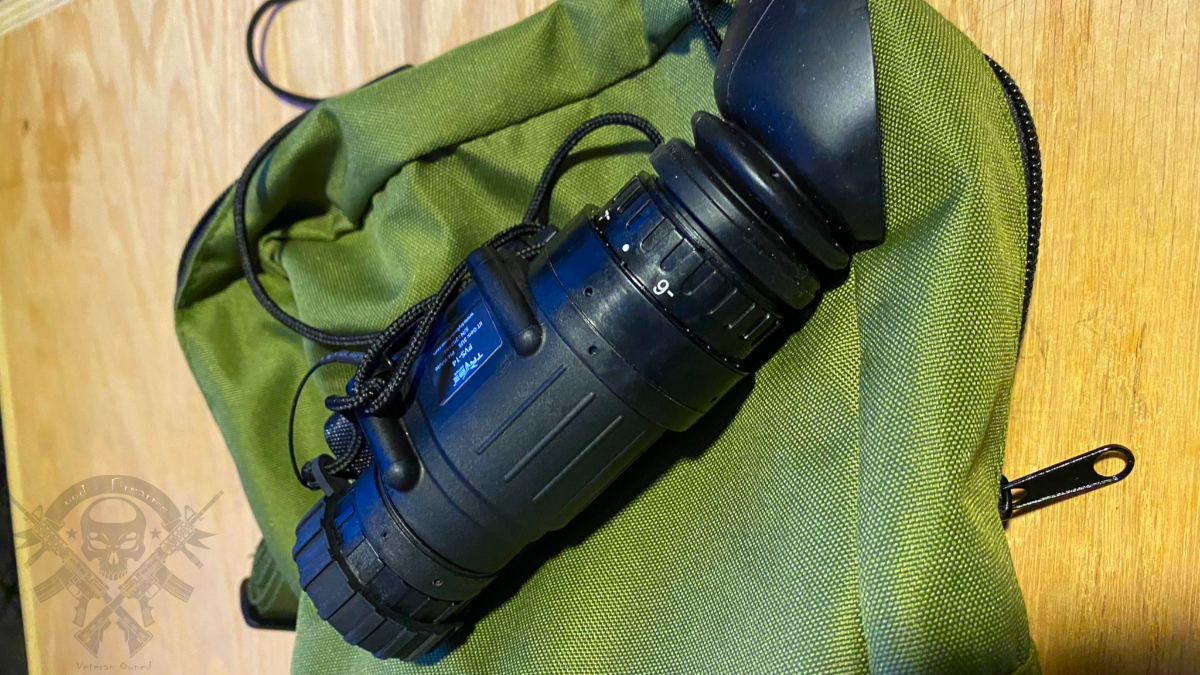
Quick Answer: Choosing the right night vision monocular comes down to understanding light conditions, technology type, and how the device will actually be used. In real-world environments, performance varies drastically between digital, Gen 2, and Gen 3 night vision, especially in low-light or no-light situations. A night vision monocular that works well in open, moonlit areas may struggle in dense woods, overcast conditions, or complete darkness. This guide explains how to choose the right night vision monocular by breaking down Gen 2 vs Gen 3 vs digital, white vs green phosphor, IR illuminator requirements, and the specs that matter for real-world use.
Last Updated: January 27, 2026
At Voodoo Firearms, one of the most common night vision questions we hear is: “How to choose a night vision monocular?”
Whether you’re comparing digital vs Gen 2 vs Gen 3, trying to understand why some devices perform better in low light, or deciding which features are worth paying for, these questions directly affect how usable your night vision will be in the real world.
We’ve tested night vision monoculars across different environments, including wooded terrain, overcast nights, and near-total darkness where ambient light is limited. This guide breaks down how technology type, phosphor color, tube construction, and IR illumination affect clarity, range, and overall performance.
Let’s remove the confusion and help you choose the right night vision monocular for your needs.
📜 Quick Navigation
- How Night Vision Monoculars Actually Work
- Digital vs Analog Night Vision (Gen 2 & Gen 3)
- Gen 2 vs Gen 3 Night Vision: What You Gain
- White Phosphor vs Green Phosphor
- Filmed vs Unfilmed Gen 3 Tubes
- Do You Need an IR Illuminator?
- Night Vision Specs That Actually Matter
- Real-World Use Cases & Buyer Advice
- Final Thoughts
- FAQs
How Night Vision Monoculars Actually Work
Night vision monoculars work by amplifying available light so the human eye can see in low-light or dark environments. Instead of creating light, most night vision devices collect ambient light such as moonlight, starlight, or infrared energy and convert it into a visible image.
- Ambient Light: Natural light sources like the moon, stars, or reflected infrared energy provide the raw input for night vision.
- Night Vision Monocular: Uses a digital sensor or image intensifier tube to amplify that light and display a usable image in real time.
In practical terms, a night vision monocular acts like a light amplifier. The more light available, the clearer and farther you can see. As ambient light decreases, image quality depends heavily on the device’s technology, tube quality, and whether infrared illumination is used.
💡 Pro Tip: No night vision monocular truly works in total darkness on its own. In environments with little or no ambient light, even high-end Gen 3 units rely on infrared illumination to maintain clarity, contrast, and usable range.
Digital vs Analog Night Vision: What’s the Real Difference?
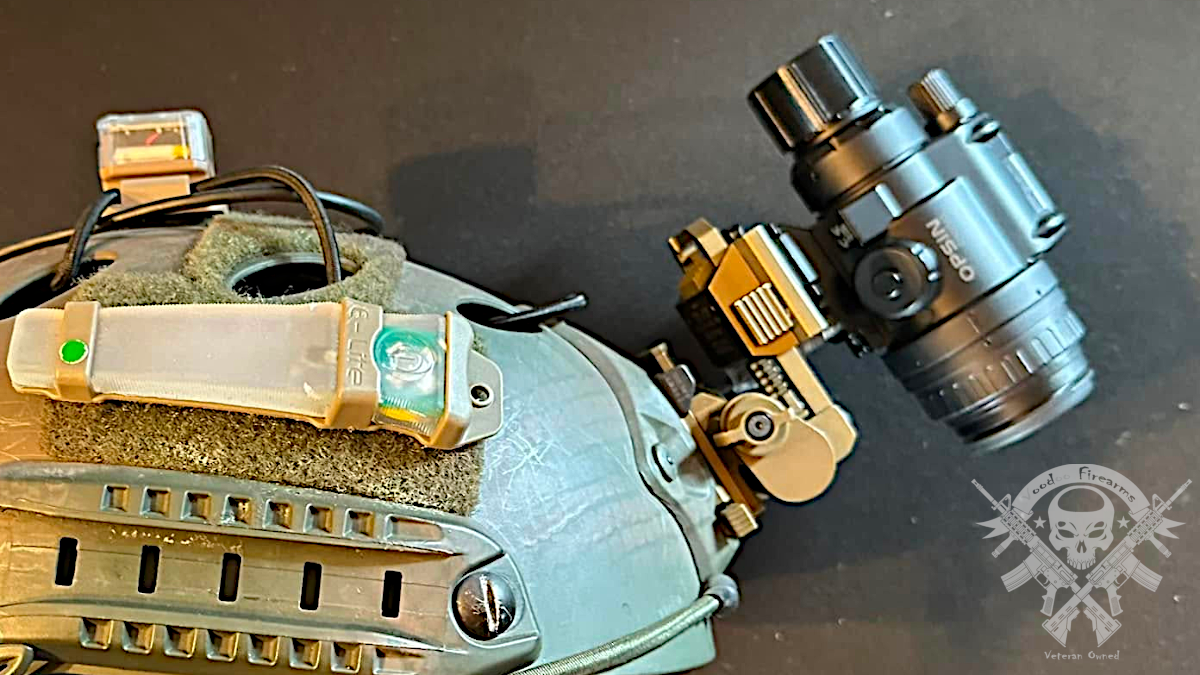
Digital and analog night vision monoculars are built to solve the same problem, but they do it in fundamentally different ways. Understanding this difference is one of the most important steps when choosing the right night vision monocular.
- Analog Night Vision (Gen 2 / Gen 3): Uses an image intensifier tube to amplify existing ambient light in real time. This includes moonlight, starlight, and reflected infrared energy.
- Digital Night Vision: Uses a camera-style sensor to capture light and display it on a screen, often relying heavily on an IR illuminator in low-light or no-light conditions.
In practical use, analog night vision delivers a more natural, real-time image and can function with minimal ambient light, especially at the Gen 3 level. Digital night vision is typically more affordable and durable, but image quality drops quickly without supplemental infrared light.
If you want a deeper breakdown of image quality, latency, durability, and real-world performance differences, we cover it in detail in our full guide comparing Gen 3 vs Digital Night Vision.
💡 Pro Tip: Digital night vision is best thought of as IR-dependent, while analog Gen 2 and Gen 3 are light-amplifying systems that still benefit from IR when ambient light disappears.
Gen 2 vs Gen 3 Night Vision: Is the Upgrade Worth It?
When choosing a night vision monocular, the jump from Gen 2 to Gen 3 is one of the biggest cost and performance decisions you’ll make. Both are analog night vision systems that amplify ambient light, but Gen 3 offers a noticeable advantage in low-light performance, clarity, and reliability, especially in difficult environments.
Gen 2 night vision can work well under favorable conditions like moonlit nights or open terrain, but Gen 3 is designed to maintain usable image quality in darker, more demanding scenarios such as wooded areas, overcast skies, or minimal ambient light.
| Feature | Gen 2 Night Vision | Gen 3 Night Vision | |
|---|---|---|---|
| Low-Light Performance | ⚠️ Good in moderate ambient light | ✅ Excellent in very low-light conditions | |
| Image Clarity & Contrast | ⚠️ Acceptable, more noise in dark areas | ✅ Cleaner image with better contrast | |
| Reliance on IR Illuminator | ⚠️ Often helpful in darker environments | ⚠️ Optional but improves performance | |
| Tube Lifespan | ⚠️ Shorter lifespan than Gen 3 | ✅ Longer operational life | |
| Price Range | ✅ More affordable entry into analog NV | ❌ Significantly higher cost | |
| Best Use Case | Budget-conscious users, casual observation | Serious users, navigation, and demanding conditions |
In real-world use, Gen 3 night vision monoculars deliver a more consistent and forgiving image as lighting conditions change. This is why Gen 3 is widely preferred for movement, navigation, and extended use, while Gen 2 is often chosen as a lower-cost entry point.
💡 Pro Tip: If you expect to use your night vision monocular in wooded terrain, overcast conditions, or environments with minimal ambient light, Gen 3 is usually worth the investment. Gen 2 can work, but it leaves less margin for error as conditions worsen.
White Phosphor vs Green Phosphor: What’s the Difference?
Phosphor color determines how the amplified image is displayed to your eye. While both white and green phosphor night vision monoculars can deliver excellent performance, the difference comes down to visual comfort, contrast perception, and extended use.
Green phosphor has been used for decades and remains effective, but white phosphor has become increasingly popular because it provides a more natural, high-contrast image that many users find easier on the eyes during prolonged use.
| Feature | Green Phosphor | White Phosphor | |
|---|---|---|---|
| Image Color | Green monochrome image | Black-and-white or grayscale image | |
| Eye Fatigue | ⚠️ Can cause fatigue over long sessions | ✅ Generally easier on the eyes | |
| Contrast Perception | ⚠️ Good, but highlights can blend together | ✅ Improved contrast and depth perception | |
| Low-Light Detail | ✅ Strong performance | ✅ Strong performance | |
| Availability & Cost | ✅ More widely available, often less expensive | ❌ Typically higher cost | |
| Best Use Case | Occasional use, budget-focused setups | Extended use, navigation, and comfort-focused users |
In practical use, white phosphor does not make a night vision monocular “see better” in absolute terms, but it often makes the image easier to interpret. This can reduce eye strain and improve situational awareness during longer sessions or movement.
💡 Pro Tip: If you plan on using night vision for extended periods or movement, white phosphor is usually worth the upgrade. For short sessions or budget-conscious buyers, green phosphor remains a capable and proven option.
Learn More
Don’t forget to check out these posts to learn more about the best options available:
- Best Night Vision Monoculars (Gen 3 & PVS-14 Picks)
- Gen 3 vs Digital Night Vision: What’s the Real Difference?
- Do You Need an IR Illuminator for Night Vision?
Filmed vs Unfilmed Gen 3 Night Vision: What You Need to Know
When comparing Gen 3 night vision monoculars, you’ll often see references to filmed and unfilmed image intensifier tubes. This distinction affects low-light performance, durability, and cost, but the difference is often misunderstood.
The “film” refers to a thin protective layer applied to the photocathode of a Gen 3 tube. This layer extends tube lifespan and improves resistance to bright light exposure, while unfilmed tubes remove this layer to allow more light to reach the intensifier.
| Feature | Filmed Gen 3 | Unfilmed Gen 3 | |
|---|---|---|---|
| Photocathode Protection | ✅ Protective film extends tube lifespan | ❌ No protective film | |
| Low-Light Sensitivity | ⚠️ Very good, slightly reduced light transmission | ✅ Excellent light sensitivity | |
| Performance in Near-Total Darkness | ⚠️ Strong performance with IR assistance | ✅ Superior performance in extreme low-light | |
| Durability & Longevity | ✅ Longer lifespan and better protection | ⚠️ Slightly reduced lifespan over time | |
| Cost | ✅ More affordable | ❌ Higher cost | |
| Best Use Case | General-purpose use, reliability-focused buyers | Low-light specialists and performance-focused users |
In real-world civilian use, the performance difference between filmed and unfilmed Gen 3 is noticeable primarily in extremely dark environments. For most users, both options deliver excellent results, especially when paired with an IR illuminator.
💡 Pro Tip: Unfilmed Gen 3 tubes offer maximum low-light sensitivity, but filmed tubes provide a better balance of durability, lifespan, and cost. For most civilian night vision monocular buyers, filmed Gen 3 remains the more practical choice.
Do You Need an IR Illuminator for a Night Vision Monocular?

An IR illuminator is not required for every night vision monocular, but in real-world use, it often determines how usable your night vision actually is. Whether you need one depends on the type of night vision you choose and the lighting conditions you expect to operate in.
In environments with strong ambient light such as open fields under moonlight, some analog night vision monoculars can function without IR assistance. However, as light conditions worsen, image quality drops quickly, especially in wooded areas, overcast nights, or enclosed spaces.
- Digital Night Vision: Typically relies on IR illumination in low-light or no-light conditions to produce a usable image.
- Gen 2 Night Vision: Can function without IR in favorable conditions but benefits significantly from IR as ambient light decreases.
- Gen 3 Night Vision: Performs well with minimal light but still gains noticeable clarity, contrast, and range when IR is used.
In practical terms, an IR illuminator acts like a covert flashlight that only night vision can see. It fills in shadows, improves target identification, and extends usable viewing distance when ambient light alone is not enough.
For a deeper breakdown of when IR illumination is required, optional, or unnecessary, we cover real-world testing and use cases in our full guide:Do You Need an IR Illuminator for Night Vision?
💡 Pro Tip: Even if your night vision monocular can technically operate without IR, adding an IR illuminator dramatically improves performance in dark or complex environments. The question is rarely “can it work without IR,” but “how much better does it work with it?”
Night Vision Specs That Actually Matter
Night vision monocular spec sheets can be overwhelming, but only a few specifications actually affect real-world performance. Understanding these key metrics will help you avoid overpaying for marketing numbers while focusing on what truly improves image quality and usability.
Specs matter most when lighting conditions are poor. Two devices with similar generation ratings can perform very differently depending on tube quality, sensitivity, and noise control.
| Specification | What It Means | Why It Matters | |
|---|---|---|---|
| FOM (Figure of Merit) | Resolution × Signal-to-Noise Ratio (SNR) | Higher FOM generally means better low-light performance and image clarity | |
| Signal-to-Noise Ratio (SNR) | Measures how much useful image is present versus visual noise | Higher SNR results in a cleaner, more usable image in dark environments | |
| Resolution (lp/mm) | Measures the level of detail the tube can resolve | Affects sharpness, but less important than SNR in very low light | |
| Photocathode Sensitivity | How efficiently light is converted into electrons | Higher sensitivity improves performance in near-total darkness | |
| EBI (Equivalent Background Illumination) | Background noise generated by the tube itself | Lower EBI improves contrast and image quality in very dark conditions | |
| Halo | Glow or bloom around bright light sources | Smaller halo improves clarity around lights and reflective objects | |
| Gain | Overall brightness amplification level | Affects image brightness, but too much gain can increase noise |
In real-world use, SNR and EBI often matter more than raw resolution, especially in dark or cluttered environments. A monocular with slightly lower resolution but better noise control will usually provide a more usable image.
💡 Pro Tip: Don’t chase the highest numbers across every spec. Focus on balanced performance. For most civilian users, strong SNR, low EBI, and reasonable resolution matter far more than chasing maximum FOM.
For digital night vision monoculars, sensor specifications matter more than tube metrics. One of the most important digital-specific specs is pixel size, often measured in microns.
A 12-micron sensor can capture more detail in low-light conditions than older 17- or 25-micron sensors. Smaller pixel size improves light sensitivity and image clarity, especially when relying on ambient light or low-power IR illumination.
💡 Pro Tip: Micron ratings only apply to digital night vision. Gen 2 and Gen 3 analog night vision use image intensifier tubes and do not have pixel or micron specifications.
Real-World Use Cases & Buyer Advice
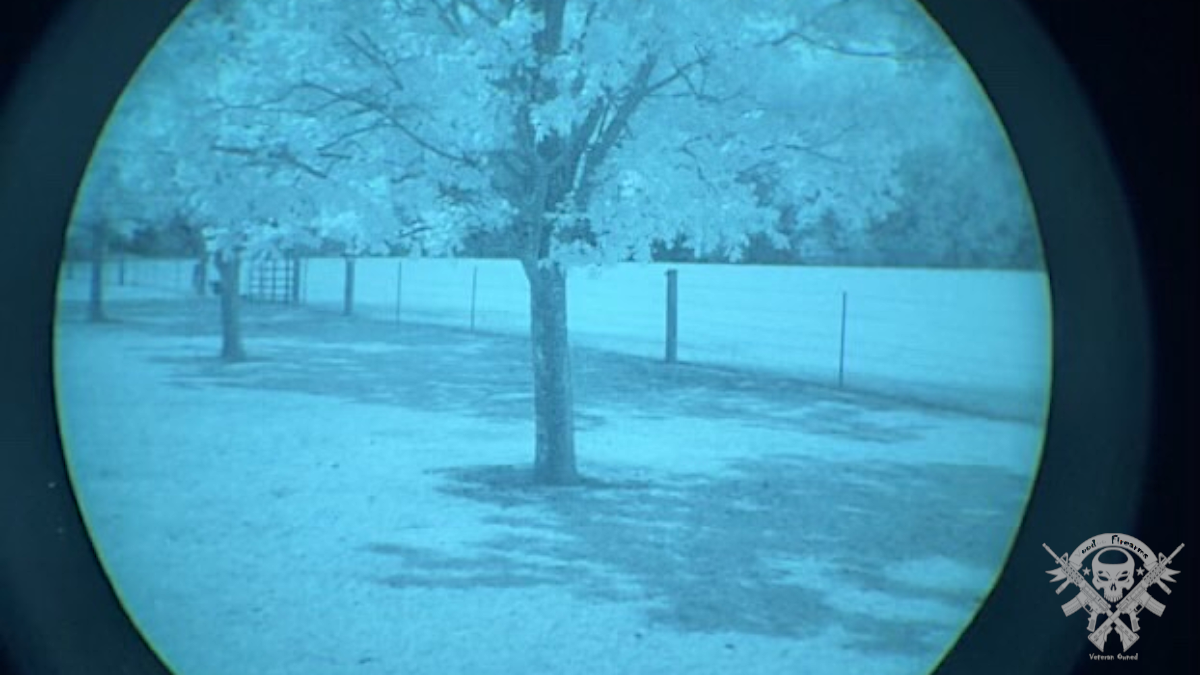
Choosing the right night vision monocular is less about chasing specs and more about matching the device to how you actually plan to use it. Different environments and use cases place very different demands on night vision performance.
Below are common real-world scenarios and what matters most for each one, based on hands-on use rather than spec sheets alone.
| Use Case | What Matters Most | Recommended Direction | |
|---|---|---|---|
| Property Scanning & Observation | Image clarity, IR support, ease of use | Digital NV with strong IR or entry-level Gen 2 | |
| Hunting & Wildlife Observation | Low-light sensitivity, contrast, range | Gen 2 or Gen 3 with optional IR | |
| Navigation & Movement | Low latency, depth perception, reliability | Gen 3 analog night vision | |
| Wooded or Overcast Environments | SNR, EBI, IR compatibility | Gen 3 with IR illuminator | |
| Budget-Conscious Entry | Cost, availability, simplicity | Digital night vision with IR |
In practice, many first-time buyers underestimate how quickly image quality drops as ambient light disappears. This is why users often upgrade not because their night vision “doesn’t work,” but because it doesn’t perform well enough in the environments they actually use it in.
If you expect to spend time moving through dark terrain, navigating obstacles, or operating without visible light, analog night vision, especially Gen 3, provides a noticeable advantage. For stationary observation or casual use, digital night vision can still be effective when paired with a quality IR illuminator.
💡 Buyer Advice: Be honest about where and how you’ll use your night vision monocular. Buying slightly more capability than you think you need often prevents an expensive upgrade later.
How to choose a night vision monocular
Choosing the right night vision monocular isn’t about finding a single “best” option. It’s about understanding how different technologies perform and selecting the setup that matches your real-world environment, budget, and expectations.
Digital, Gen 2, and Gen 3 night vision all have a place. Digital night vision offers an affordable entry point when paired with IR illumination. Gen 2 provides improved analog performance under favorable conditions. Gen 3 delivers the most consistent and forgiving performance when lighting conditions are poor or unpredictable.
Phosphor color, tube construction, and specifications like SNR and EBI matter more than marketing claims. Likewise, IR illumination often makes the difference between “it works” and “it works well,” especially in wooded, overcast, or enclosed environments.
If you’re still unsure which direction to go, start by identifying how and where you’ll actually use your night vision monocular. From there, the right choice usually becomes obvious.
💡 Final Advice: Buy for your environment, not for hype. A well-matched night vision monocular will outperform a higher-end option that isn’t suited to how you actually use it.
Best Night Vision Monocular Picks (Quick View)
| Product | Rating | Price | Best For |
|---|---|---|---|
| SiOnyx OPSIN Black💸 Best Budget | 4.1 ⭐ | 💰💰 | Intro to night vision, casual scanning |
| AGM PVS-14 Multi-Purpose✅ Best Value | 4.6 ⭐ | 💰💰💰 | First serious helmet-mounted NV setup |
| Armasight PVS-14 Gen 3 Pinnacle🛡️ Best for Reliability | 4.7 ⭐ | 💰💰💰 | Hard use, duty-grade night operations |
| Steele Industries L3 Unfilmed PVS-14📝 Editor’s Choice | 4.9 ⭐ | 💰💰💰 | No-compromise, top-tier night vision |
❓ FAQ – Night Vision Monocular Questions Answered
❓ Q: What is the biggest factor when choosing a night vision monocular?
A: The most important factor is how and where you plan to use it. Ambient light conditions, terrain, and whether you’ll be moving or observing all determine whether digital, Gen 2, or Gen 3 night vision is the right choice.
In real-world use, matching the technology to your environment matters far more than chasing the highest specs.
❓ Q: What is the difference between digital and analog night vision monoculars?
A: Analog night vision (Gen 2 and Gen 3) amplifies existing ambient light using an image intensifier tube. Digital night vision uses a camera-style sensor and screen to display the image.
Analog systems offer more natural, real-time performance in low light, while digital systems are typically more affordable but rely heavily on IR illumination.
❓ Q: Is Gen 3 night vision worth the extra cost?
A: For many users, yes. Gen 3 provides better low-light sensitivity, cleaner images, and more consistent performance in difficult environments such as wooded areas, overcast nights, or minimal ambient light.
Gen 2 can work well in favorable conditions, but Gen 3 offers more margin when conditions degrade.
❓ Q: Does white phosphor actually perform better than green phosphor?
A: Not in absolute performance, but many users find white phosphor easier to interpret. It provides improved contrast perception and often reduces eye fatigue during extended use.
Green phosphor remains effective and more affordable, making it a solid option for occasional or budget-focused users.
❓ Q: What does filmed vs unfilmed Gen 3 mean?
A: The difference refers to a protective layer on the image intensifier tube. Filmed Gen 3 tubes prioritize durability and lifespan, while unfilmed Gen 3 tubes maximize low-light sensitivity.
For most civilian users, filmed Gen 3 offers the best balance of performance, longevity, and cost.
❓ Q: Do I need an IR illuminator for a night vision monocular?
A: It depends on the technology. Digital night vision usually requires IR illumination in low-light conditions. Gen 2 and Gen 3 can function without IR in some environments but benefit significantly from it when ambient light is limited.
In real-world use, IR illumination often makes the difference between acceptable and excellent performance.
❓ Q: What specs actually matter on a night vision monocular?
A: For analog night vision, SNR, EBI, photocathode sensitivity, and halo have the greatest impact on real-world performance. Resolution and FOM are useful, but secondary.
For digital night vision, sensor quality and pixel size (such as 12-micron sensors) play a much larger role.
❓ Q: Does higher resolution always mean better night vision?
A: No. In low-light conditions, noise control and sensitivity matter more than raw resolution. A slightly lower-resolution monocular with better SNR and lower EBI often produces a clearer, more usable image.
Resolution becomes more noticeable only when lighting conditions are already favorable.
❓ Q: Can I use night vision monoculars in complete darkness?
A: Not without infrared illumination. No night vision monocular truly works in total darkness on its own. When ambient light is absent, an IR illuminator provides the invisible light needed for usable image quality.
This applies to digital, Gen 2, and Gen 3 systems alike.
❓ Q: Bottom line, how do I choose the right night vision monocular?
A: Start with your environment and use case. If you need affordability and occasional observation, digital night vision with IR can work well. If you want consistent performance in dark or complex environments, analog night vision, especially Gen 3, is usually the better investment.
Choosing the right monocular means buying for your conditions, not for marketing claims.
Written by the Voodoo Firearms Team
Certified instructors. Veteran-owned. Trusted by shooters of all levels. Our team combines certified instruction credentials with extensive real-world experience in firearms. While some team members maintain operational privacy due to their service backgrounds, our commitment to excellence is demonstrated through our perfect 5-star customer rating and comprehensive firearms training programs. We pride ourselves on delivering respectful, judgment-free guidance and education to shooters of all experience levels, ensuring every customer receives the personalized attention they deserve.
➡️ Check out more training tips, gear reviews, and expert insights on the Voodoo Firearms Blog.
Why You Can Trust Voodoo Firearms
Real Expertise, Not Paid Hype
- Certified instructors lead Illinois CCL training & tactical firearms courses
- Veteran-owned and operated—we walk the walk
- No paid reviews. No fluff.
What Sets Us Apart:
- 5-Star Local Reputation
- Rigorous Gear Testing
- Pro & Beginner-Friendly Content
- In-Person Help in Minooka, IL
Need expert advice:
📍 Visit us at 408 W Mondamin St, Minooka, IL 60447
📞 Call or Text our knowledgeable team at (815) 218-6620
Not sure what to get? Hit us for a quick vibe check. No pressure—just straight-up advice.
📧 Shoot our instructors an email at voodoo@voodoofirearms.com
Swing by to upgrade your setup or test gear in person—and mention this article for a free Voodoo Firearms logo sticker (while supplies last).
🛒 Visit VoodooFirearms.com to shop lasers, optics, lights, and gear trusted by real shooters.
Note: Always ensure compatibility with your firearm and adhere to local laws and regulations when installing tactical accessories.