
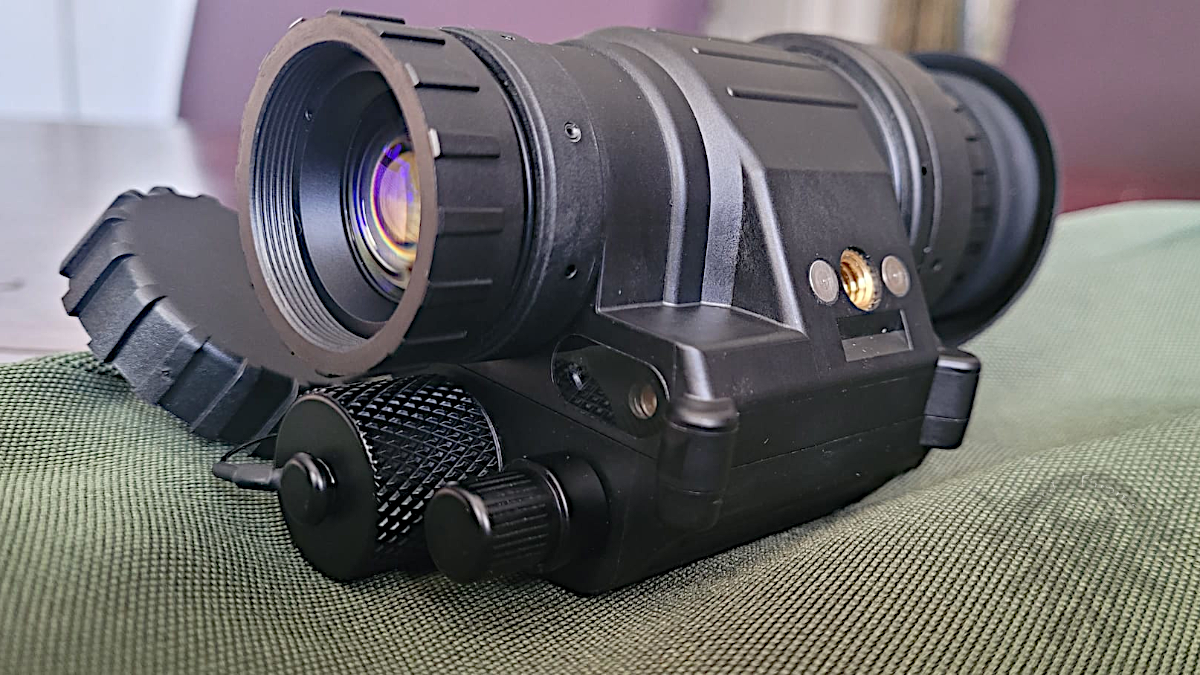
Quick Answer: Choosing between Gen 3 and digital night vision is one of the most confusing decisions for first-time buyers. On paper, digital units look cheaper and more feature-packed, while Gen 3 costs significantly more with fewer advertised features. In reality, these two technologies behave very differently in real-world darkness. This guide breaks down Gen 3 vs digital night vision honestly, so you can decide which one actually makes sense for your use case.
Last Updated: January 27, 2026
Best Night Vision Monoculars (Quick View)
| Product | Rating | Price | Best For |
|---|---|---|---|
| SiOnyx OPSIN Black💸 Best Budget (Digital) | 4.1 ⭐ | 💰💰 | Intro to night vision, casual scanning |
| AGM PVS-14 Multi-Purpose✅ Best Value | 4.6 ⭐ | 💰💰💰 | First serious helmet-mounted NV setup |
| Armasight PVS-14 Gen 3 Pinnacle🛡️ Best for Reliability | 4.7 ⭐ | 💰💰💰 | Hard use, duty-grade night operations |
| Steele Industries L3 Unfilmed PVS-14📝 Editor’s Choice | 4.9 ⭐ | 💰💰💰 | No-compromise, top-tier night vision |
At Voodoo Firearms, one of the most common night vision questions we get is: “Should I go with Gen 3 or digital night vision?” Whether you’re scanning property at night, getting your first helmet-mounted setup dialed in, or trying to decide if Gen 3 is really worth the cost, this choice has a major impact on what you’ll actually see in the dark.
We’ve handled and tested both Gen 3 and digital night vision systems side by side, in real low-light conditions where specs on paper stop mattering. In this guide, we’ll break down the key differences, real-world performance tradeoffs, and honest use-case feedback from people who’ve spent time behind both.
Let’s clear up the confusion and help you choose the option that actually fits your needs.
📜 Quick Navigation
Analog Gen 3 vs Digital Night Vision
| Feature | Analog Gen 3 | Digital Night Vision | ||||
|---|---|---|---|---|---|---|
|
|
|
||||
|
|
|
||||
|
|
|
||||
|
|
|
||||
|
|
|
The Difference Between Analog & Digital Night Vision
Night vision devices all aim to do the same thing—help you see in the dark—but how they get there matters. The difference between analog Gen 3 and digital night vision becomes obvious once ambient light drops and real-world conditions replace spec sheets.
- Analog Gen 3: Amplifies existing light in real time, providing a natural image that performs well in very low-light environments.
- Digital Night Vision: Uses a camera sensor and screen, often requiring IR illumination to function effectively in dark areas.
This difference directly affects image clarity, low-light performance, motion handling, battery consumption, and how comfortable the device is to use for extended periods.
💡 Pro Tip: If you plan to run night vision on a helmet or move through dark terrain, analog Gen 3 offers a more natural viewing experience with less eye strain and delay.
Choosing the Right Night Vision for You
When choosing between Gen 3 and digital night vision, focus on how and where you actually plan to use it.
- Intended Use: Casual observation and recording favor digital, while navigation, helmet-mounted use, and serious low-light work favor Gen 3.
- Environment: Open areas with ambient light are more forgiving, but wooded, rural, or overcast conditions strongly favor analog Gen 3.
- Budget: Digital night vision lowers the entry cost, but Gen 3 delivers better long-term value and resale potential.
Always prioritize real-world conditions over spec sheets. A digital unit that looks great indoors can struggle outdoors once IR light is limited or reflections become an issue.
Remember, the best night vision setup is the one that fits your environment, expectations, and how much time you plan to spend using it after dark.
When to Use Analog vs Digital Night Vision
| Scenario | Best Option |
| Helmet-Mounted Navigation | Analog Gen 3 |
| Property Scanning & Observation | Depends on lighting conditions |
| Heavily Wooded or Overcast Nights | Analog Gen 3 |
| Recording or Casual Use | Digital Night Vision |
| First-Time / Budget Entry | Digital Night Vision |
Want the best of both worlds? Many experienced users start with a digital unit for learning and casual use, then move to analog Gen 3 once they’re ready for helmet-mounted setups and true low-light performance.
Learn More
Don’t forget to check out these posts to learn more about the best options available:
Analog Gen 3 Night Vision
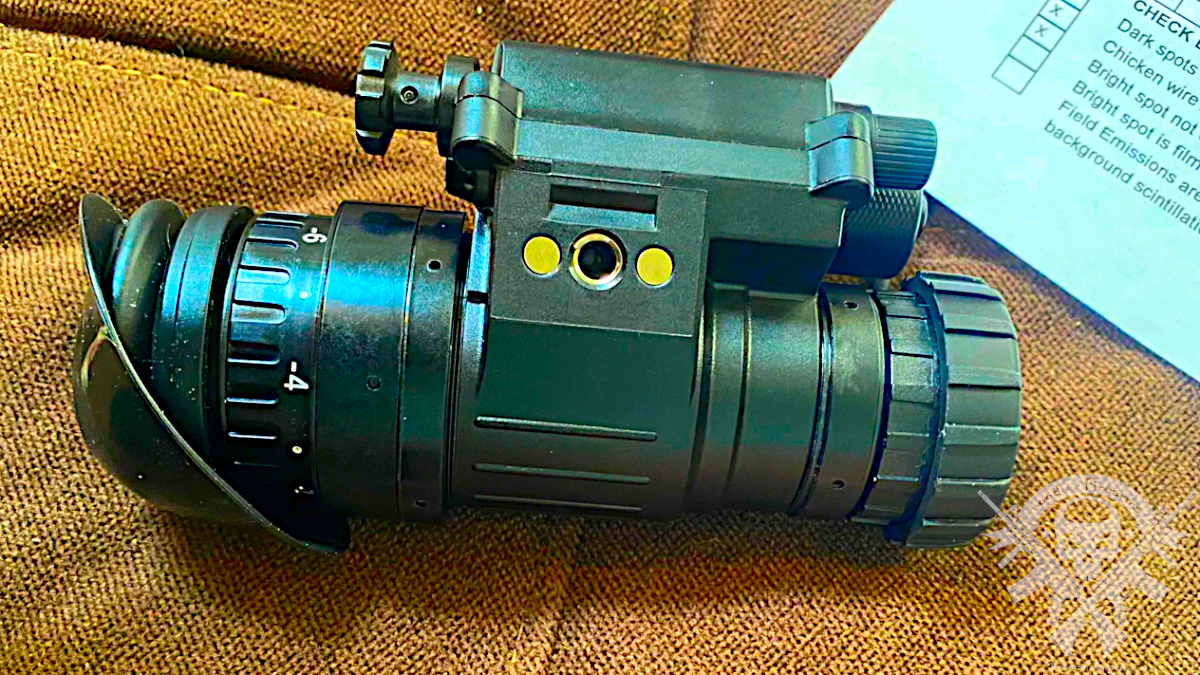
Key Features:
- Excellent low-light performance: Amplifies ambient light for clear visibility in very dark environments
- Real-time image: No digital processing delay or screen lag
- Efficient power usage: Long runtime on a single AA battery
- Cold-weather reliable: Performs consistently even in sub-freezing temperatures
- Helmet-mount friendly: Designed for hands-free navigation and movement
- Proven platform: Built on decades of real-world use and refinement
- High resale value: Strong secondary market compared to digital units
Here’s a quick breakdown of what we like and dislike about analog Gen 3 night vision:
✅ Pros
- Superior Low-Light Performance: Works in near-total darkness without relying on IR illumination
- Zero Latency: Natural, real-time image ideal for movement and extended use
- Battery Efficient: Long runtimes compared to screen-based digital units
- Cold Weather Ready: Tubes function reliably where electronics can struggle
- Proven Ecosystem: Compatible with common mounts, helmets, and accessories
❌ Cons
- Higher Upfront Cost: Significantly more expensive than digital entry options
- No Built-In Recording: Designed for observation, not content capture
- Learning Curve: Requires proper setup and mounting to get the most out of it
Is Analog Gen 3 Night Vision Worth It?
If you plan to use night vision seriously — moving through dark terrain, running a helmet-mounted setup, or operating in low-light environments without relying on IR — then yes, analog Gen 3 night vision is absolutely worth it.
Gen 3 systems aren’t about extra features or flashy specs. They’re about seeing clearly when ambient light is minimal, without lag, noise, or artificial illumination.
Digital can work for casual use. Gen 3 works when conditions aren’t forgiving.
What Sets It Apart?
Analog Gen 3 night vision is simple, effective, and proven. It doesn’t rely on screens, processing, or artificial light to function.
The image is immediate and natural, which reduces eye strain and makes extended nighttime movement far more comfortable.
It’s ideal for:
- Helmet-mounted navigation
- Rural or wooded environments
- Overcast or moonless nights
- Cold-weather use
- Users who prioritize performance over features
Digital may look appealing indoors or in mixed lighting, but analog Gen 3 excels when ambient light is scarce.
Practical Performance You’ll Notice
This isn’t a spec-sheet advantage. It’s something you notice immediately.
Movement feels more natural. Depth perception improves. Eye strain drops. And because there’s no processing delay, your brain adapts faster.
Once you’ve spent time behind Gen 3 in real darkness, the difference is hard to ignore.
Why We Like It:
Analog Gen 3 night vision delivers exactly what serious users care about: clarity, reliability, and consistency.
You’re not paying for software features or recording modes you don’t need. You’re paying for performance when conditions aren’t ideal.
- Outstanding low-light performance: Reliable visibility without IR dependence
- Cold-weather reliability: Consistent operation in harsh conditions
- Long battery life: Ideal for extended nighttime use
Digital Night Vision
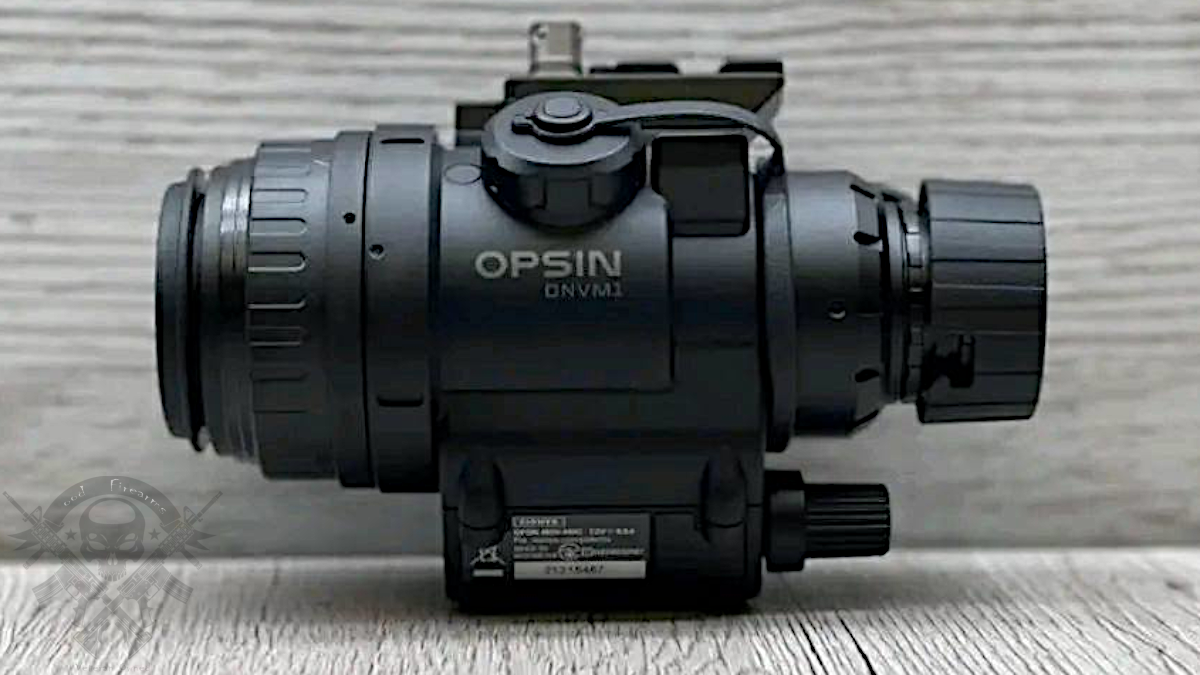
Key Features:
- Lower entry cost: Significantly more affordable than analog Gen 3 systems
- Built-in recording: Many models support photo and video capture
- IR-assisted visibility: Integrated IR illuminators help in complete darkness
- Daylight capable: Can be used during the day without damage
- Simple operation: Screen-based viewing with minimal setup required
Here’s a quick breakdown of what we like and what could be better with digital night vision:
✅ Pros
- Affordable Entry Point: Ideal for beginners or casual night observation
- Recording Capability: Built-in video and photo capture on many models
- Day/Night Use: Can transition between lighting conditions easily
- User-Friendly: Less intimidating for first-time users
❌ Cons
- IR Dependence: Performance drops quickly without active IR illumination
- Noticeable Latency: Digital processing introduces slight delay
- Higher Power Draw: Screens and sensors drain batteries faster
- Reduced Low-Light Performance: Struggles in overcast or wooded environments
Is Digital Night Vision Worth It?
If you’re looking for an affordable way to get started, want the ability to record footage, or plan to use night vision casually around property or the range, then yes — digital night vision can be worth it.
Digital systems perform best in controlled environments where IR illumination is acceptable and ambient light is present.
They’re not designed to replace Gen 3 performance, but they can still be useful within their limits.
What Sets Digital Apart?
Digital night vision prioritizes accessibility and features over raw low-light performance.
Built-in screens, recording modes, and day-use capability make digital units appealing to users who value convenience and versatility.
It’s ideal for:
- First-time night vision users
- Casual observation and property scanning
- Users who want photo or video recording
- Mixed lighting environments
- Budget-conscious buyers
Where digital shines is convenience. Where it falls short is true darkness.
Practical Versatility You’ll Notice
Digital night vision feels familiar right away.
The screen-based image, menu controls, and recording features make it easy to pick up and use without much training.
For static observation or learning the basics of night vision, digital systems can be effective.
Why We Like It:
Digital night vision lowers the barrier to entry and makes night observation accessible to more people.
You’re paying for convenience, features, and affordability — not elite low-light performance.
- Affordable pricing: Easy entry into night vision
- Recording capability: Capture photos and video without extra equipment
- Daylight safe: No risk of damage when used in bright conditions
Real-World User Feedback
When it comes to night vision performance, real-world use matters more than spec sheets. We talked with experienced shooters, instructors, and landowners who’ve spent time behind both analog Gen 3 and digital night vision in different environments.
Here’s what consistently came up:
Low-Light Performance in the Field
Users tested both systems in common real-world conditions — overcast nights, tree cover, rural property, and minimal ambient light.
| Condition | Analog Gen 3 | Digital Night Vision |
|---|---|---|
| Open area, partial moon | ✅ Clear, natural image | ⚠️ Acceptable with IR |
| Wooded or tree-covered area | ✅ Strong performance | ❌ Heavy IR dependence |
| Overcast / no moon | ✅ Usable without IR | ❌ Struggles without IR |
| Indoor / enclosed spaces | ⚠️ Works, but bright spots possible | ✅ Performs well with IR |
Movement, Comfort, and Usability
Another major difference users noticed was how each system felt during movement.
- Analog Gen 3: Natural image with no noticeable delay, making it easier to walk, scan, and navigate terrain.
- Digital Night Vision: Slight processing delay that becomes more noticeable when moving or helmet-mounted.
Several users mentioned that extended use with digital units caused more eye fatigue, especially during movement or long observation sessions.
Final Thoughts: Which One Makes Sense?
There’s no universal winner — only the right tool for the job. If you want the best possible performance in true darkness, minimal lag, and a system that excels when conditions aren’t ideal, analog Gen 3 is the clear choice.
If your priority is affordability, recording capability, or casual observation in controlled lighting, digital night vision can still serve a purpose.
For buyers leaning toward analog systems, our guide to the best night vision monoculars breaks down reliable Gen 3 options and what to look for.
Best path for many users? Start digital to learn the basics, then upgrade to Gen 3 once you understand your needs.
Learn More:
Don’t forget to check out these posts to learn more about the best options available:
- How To Choose a Night Vision Monocular
- Best Night Vision Monoculars
- Do You Need an IR Illuminator for Night Vision?
❓ FAQ – Analog Gen 3 vs Digital Night Vision Questions Answered
❓ Q: What is the main difference between analog Gen 3 and digital night vision?
A: The core difference is how the image is created. Analog Gen 3 night vision amplifies existing ambient light in real time using an image intensifier tube. Digital night vision uses a camera sensor and screen to display a processed image.
In practical terms, Gen 3 delivers a more natural, lag-free image in very low-light conditions, while digital systems rely more heavily on IR illumination and processing. Gen 3 excels in darkness; digital excels in affordability and features.
❓ Q: Which performs better in complete darkness?
A: Analog Gen 3 performs significantly better. In environments with little to no ambient light—such as wooded areas, overcast nights, or rural property—Gen 3 can often function without IR illumination.
Digital night vision usually requires an active IR illuminator in these conditions, which can limit range, reduce clarity, and reveal your position. If true darkness performance matters, Gen 3 is the clear winner.
❓ Q: Is digital night vision good enough for most people?
A: For many users, yes—within limits. Digital night vision works well for casual observation, property scanning, wildlife viewing, and users who want built-in recording features.
However, if you plan to move while wearing night vision, use it for extended periods, or operate in very low light without IR, digital systems start to show their limitations. Digital is fine for learning and casual use; Gen 3 is built for performance.
❓ Q: Can you use digital night vision during the day?
A: Yes. One advantage of digital night vision is that it’s daylight safe. You can use it in daylight or bright conditions without damaging the unit.
Analog Gen 3 systems are not daylight safe and can be permanently damaged if exposed to bright light without proper protection. This makes digital units more forgiving for beginners.
❓ Q: Which is better for helmet-mounted use?
A: Analog Gen 3. The real-time image, lack of processing delay, and more natural depth perception make Gen 3 far more comfortable for helmet-mounted movement.
Digital night vision introduces slight latency and screen refresh delay, which can cause disorientation, eye strain, or nausea during movement—especially for first-time users.
❓ Q: Does digital night vision always require IR illumination?
A: In low-light environments, yes. Digital sensors struggle when ambient light drops, so IR illumination becomes necessary to maintain a usable image.
This isn’t always a problem for casual use, but it does reduce stealth and can limit range depending on the strength of the IR illuminator. Gen 3 relies far less on IR.
❓ Q: Is analog Gen 3 worth the higher price?
A: If you need reliable performance in real darkness, plan to move with night vision, or want the most natural image possible, yes—Gen 3 is worth it.
You’re paying for better low-light performance, reduced eye fatigue, zero latency, and a proven system that holds its value. For serious users, the price difference reflects a real performance gap.
❓ Q: What’s the best upgrade path if I’m on a budget?
A: Many users start with digital night vision to learn the basics and understand how they’ll actually use night vision. Once their needs are clear, they upgrade to analog Gen 3 for better performance.
This approach avoids overspending early while still ending up with the right tool long-term.
❓ Q: Which type has better long-term value?
A: Analog Gen 3 holds value far better. Quality Gen 3 units retain strong resale demand, while digital models depreciate faster as sensor technology evolves.
If long-term ownership or resale matters, Gen 3 is usually the safer investment.
❓ Q: Bottom line — which should I choose?
A: Choose digital night vision if you want affordability, recording features, and casual use. Choose analog Gen 3 if you want the best possible performance in low light, movement-friendly viewing, and long-term reliability.
There’s no universal winner — only the right choice for how you actually plan to use night vision.
Best Night Vision Monoculars (Quick View)
| Product | Rating | Price | Best For |
|---|---|---|---|
| SiOnyx OPSIN Black💸 Best Budget (Digital) | 4.1 ⭐ | 💰💰 | Intro to night vision, casual scanning |
| AGM PVS-14 Multi-Purpose✅ Best Value | 4.6 ⭐ | 💰💰💰 | First serious helmet-mounted NV setup |
| Armasight PVS-14 Gen 3 Pinnacle🛡️ Best for Reliability | 4.7 ⭐ | 💰💰💰 | Hard use, duty-grade night operations |
| Steele Industries L3 Unfilmed PVS-14📝 Editor’s Choice | 4.9 ⭐ | 💰💰💰 | No-compromise, top-tier night vision |
Written by the Voodoo Firearms Team
Certified instructors. Veteran-owned. Trusted by shooters of all levels. Our team combines certified instruction credentials with extensive real-world experience in firearms. While some team members maintain operational privacy due to their service backgrounds, our commitment to excellence is demonstrated through our perfect 5-star customer rating and comprehensive firearms training programs. We pride ourselves on delivering respectful, judgment-free guidance and education to shooters of all experience levels, ensuring every customer receives the personalized attention they deserve.
➡️ Check out more training tips, gear reviews, and expert insights on the Voodoo Firearms Blog.
Why You Can Trust Voodoo Firearms
Real Expertise, Not Paid Hype
- Certified instructors lead Illinois CCL training & tactical firearms courses
- Veteran-owned and operated—we walk the walk
- No paid reviews. No fluff.
What Sets Us Apart:
- 5-Star Local Reputation
- Rigorous Gear Testing
- Pro & Beginner-Friendly Content
- In-Person Help in Minooka, IL
Need expert advice:
📍 Visit us at 408 W Mondamin St, Minooka, IL 60447
📞 Call or Text our knowledgeable team at (815) 218-6620
Not sure what to get? Hit us for a quick vibe check. No pressure—just straight-up advice.
📧 Shoot our instructors an email at voodoo@voodoofirearms.com
Swing by to upgrade your setup or test gear in person—and mention this article for a free Voodoo Firearms logo sticker (while supplies last).
🛒 Visit VoodooFirearms.com to shop lasers, optics, lights, and gear trusted by real shooters.
Note: Always ensure compatibility with your firearm and adhere to local laws and regulations when installing tactical accessories.